
China attraction guides
Decide what is worth your time, follow a coherent route, and check current booking, passport, admission and opening details from one maintained canonical record.
Banpo Museum半坡博物馆
Beijing Olympic Park北京奥林匹克公园
Bell Tower钟楼
Choose the Bell Tower interior for a closer look at the wooden structure and the avenues radiating from it. An exterior stop works if you mainly want the city-center silhouette. The tower's bell is a replica: the original Tang Jingyun Bell belongs to the Beilin Museum, not Xi'an Museum.

Chengdu Research Base of Giant Panda Breeding成都大熊猫繁育研究基地
Prioritize animal behaviour over a rigid enclosure checklist: begin with adult and juvenile pandas, add the nursery areas when visible, and leave room for red pandas and the museum. Cooler conditions usually produce a more rewarding visit. The current visitor panel below is the maintained source for entry, passport, transport and operating details.
People's Park人民公园
Choose People's Park for a tea stop and a short walk rather than a sequence of major monuments. Heming Teahouse gives the outing a focus; order according to the current menu and settle into the setting. Any singing, games, or matchmaking activity you encounter is part of other people's day, not a guaranteed show.
Bell and Drum Towers钟鼓楼
Start in the square to compare the two towers on the same north-south line. Choose the Drum Tower for a view over the surrounding roofs and the story of timekeeping; choose the Bell Tower if the great bronze bell is your priority. The outdoor comparison is worthwhile on its own, especially if your group wants to avoid a stair climb.
Drum Tower鼓楼
Eastern Suburb Memory东郊记忆
Choose Eastern Suburb Memory for industrial architecture and contemporary culture, or anchor the visit around a specific exhibition or performance. A walk among the former workshops is different from attending a venue inside them. Check that venue’s current listing before making a special trip for an event.
The Palace Museum故宫博物院
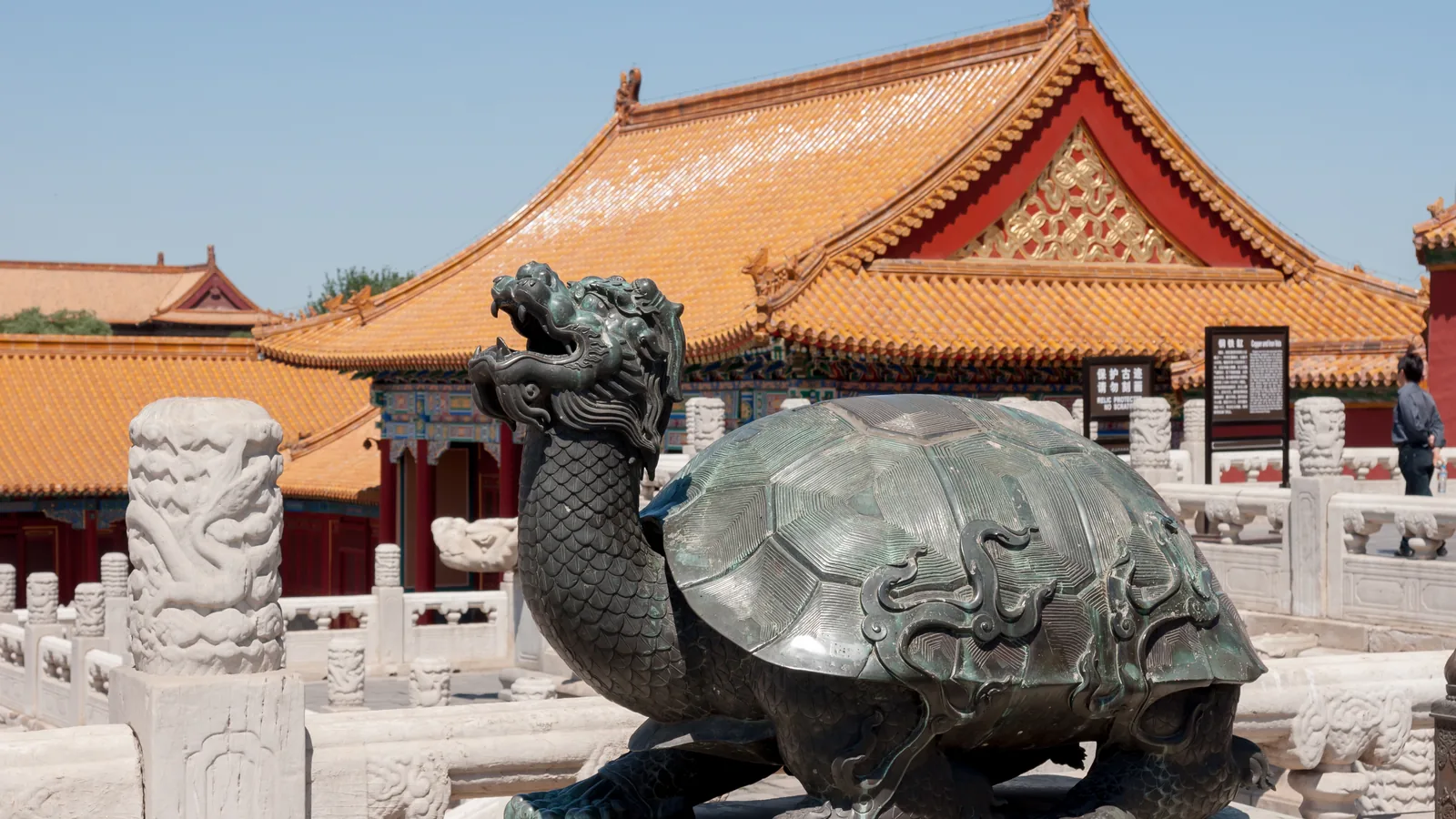
For a first visit, use the central axis for orientation, then choose one quieter side gallery instead of trying to cover every courtyard. Continue through the Imperial Garden and leave from the north if you plan to add Jingshan. The current visitor panel below is the single source for booking, passport, admission and opening details.
Former French Concession原法租界(武康路—安福路一带)
Choose the Wukang–Anfu area for a walk through residential architecture with a café stop. Start with Wukang Mansion, then use Wukang Road and Anfu Road as your core. Yongkang Road and Xintiandi are separate extensions, not essential stops on one continuous short loop.
Giant Wild Goose Pagoda大雁塔
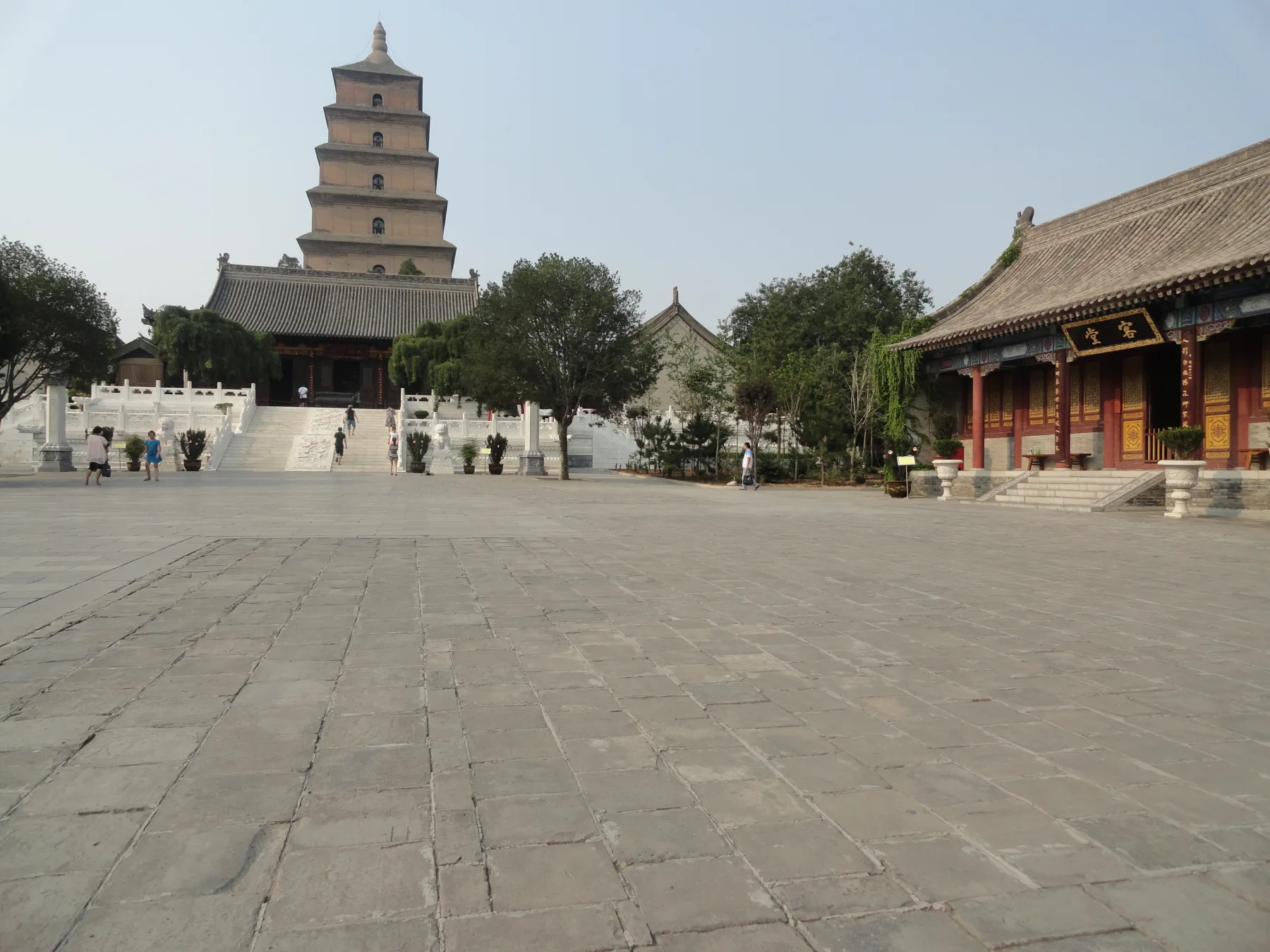
Treat Daci’en Temple, the pagoda climb and the surrounding public squares as three related but distinct experiences. Visit the active temple respectfully, decide whether the steep interior climb suits you, then continue outside for the larger Tang-themed urban setting. The current visitor panel below holds the maintained admission and access details.
Huangpu River Public Ferry上海轮渡(黄浦江公共轮渡)
Huaqing Palace华清宫
Choose Huaqing Palace for a specific interest: the excavated imperial baths, the 1936 Xi’an Incident, or a performance inspired by Tang court stories. If you are also visiting the Terracotta Warriors, choose a focus rather than assuming you can comfortably add every palace area, a mountain walk, and a show.
Jing'an Temple静安寺
Enter Jing'an Temple if you want to spend time with a working Buddhist temple and its halls. If your interest is the gold-colored roofs against Shanghai's towers, the exterior may be enough. Its long institutional history does not mean the buildings you see have stood unchanged since antiquity.
Jingshan Park景山公园
Climb to Wanchun Pavilion for the palace panorama, then turn north to compare its formal axis with the surrounding hutong roofs. Clear visibility matters more than a particular time of day. For a combined visit, put Jingshan after the Forbidden City; choose the lower park paths if the climb does not suit your group.
Jinli Ancient Street锦里古街
Choose Jinli for a lantern-and-snack stroll alongside a visit around Wuhou Shrine. Its architectural reference is Sichuan housing of the late Qing and early Republican period, while its cultural themes include the Three Kingdoms. Treat shrine access and the street visit separately; adjacency does not guarantee a back-gate route.
Kuanzhai Alley宽窄巷子
Choose Kuanzhai for a walk through restored lanes and courtyard entrances with optional tea, shopping, or a show. Look beyond the storefronts, and choose paid stops individually. Jinli makes more sense if your day is centered on Wuhou Shrine; neither district is a guarantee of quiet lanes or bargain food.
Lama Temple (Yonghegong)雍和宫
Lujiazui CBD陆家嘴
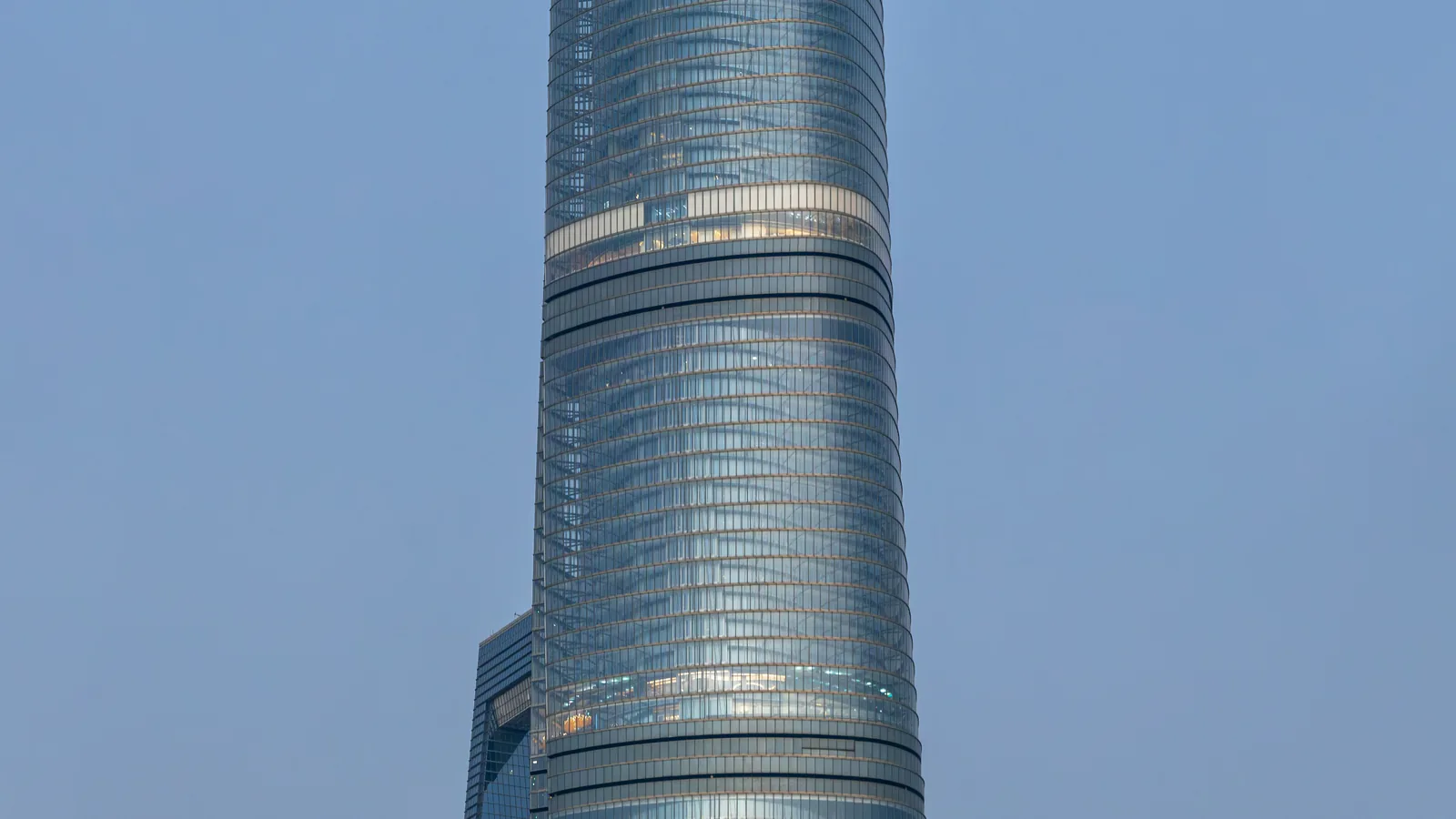
Walk Lujiazui for close-up tower forms and views back toward the Bund. Add one observation deck only if seeing the city from above is a priority and visibility looks worthwhile. For a photograph of the whole Pudong skyline, the Bund across the river gives a different, wider composition.
Muslim Quarter回民街
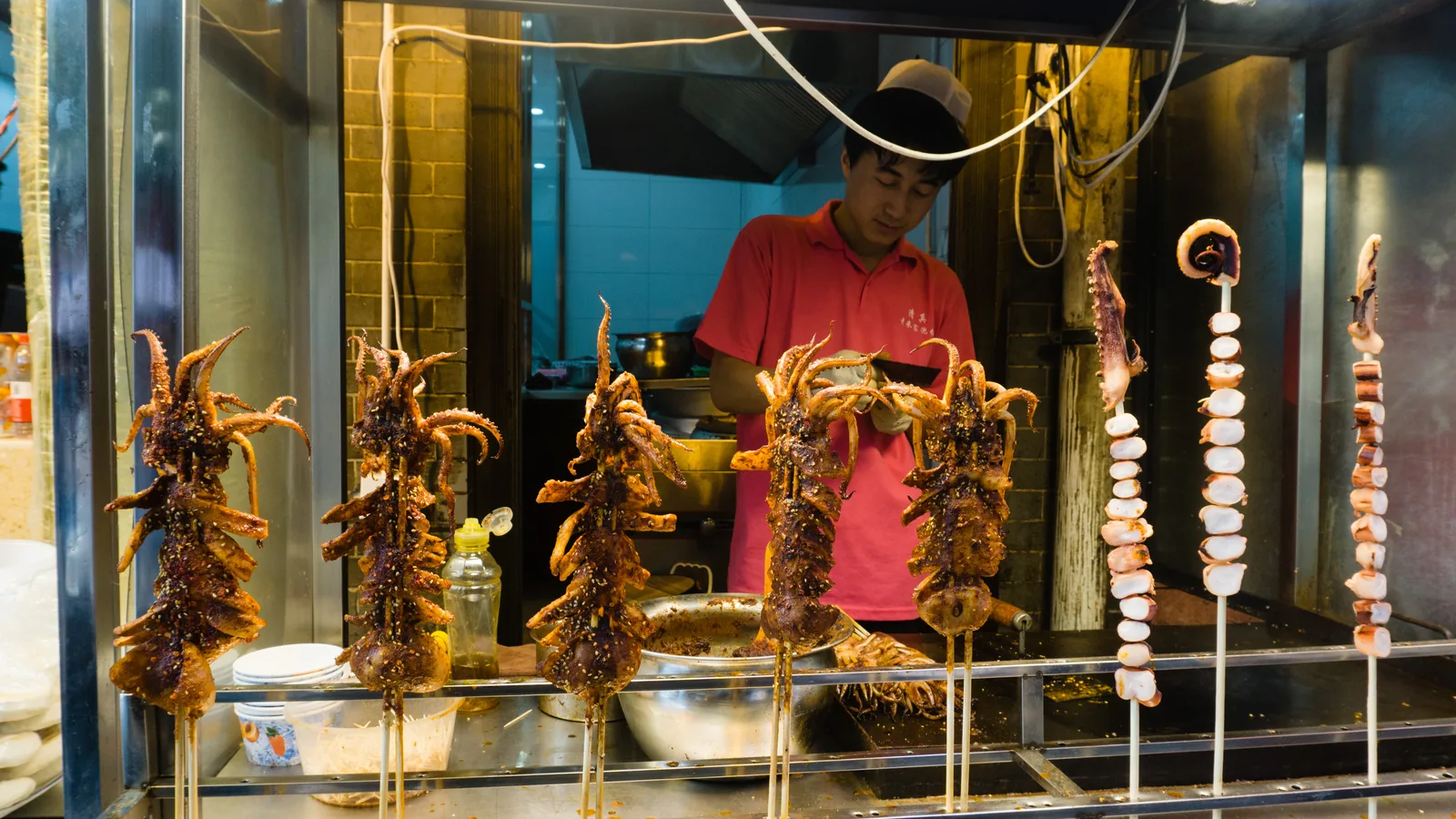
Use Beiyuanmen as an easy introduction, then choose a few connecting lanes rather than trying to eat your way through the entire quarter. Plan one main dish and a snack, and leave the Great Mosque as a separate visit. A quieter lane or a longer queue does not by itself identify better food.
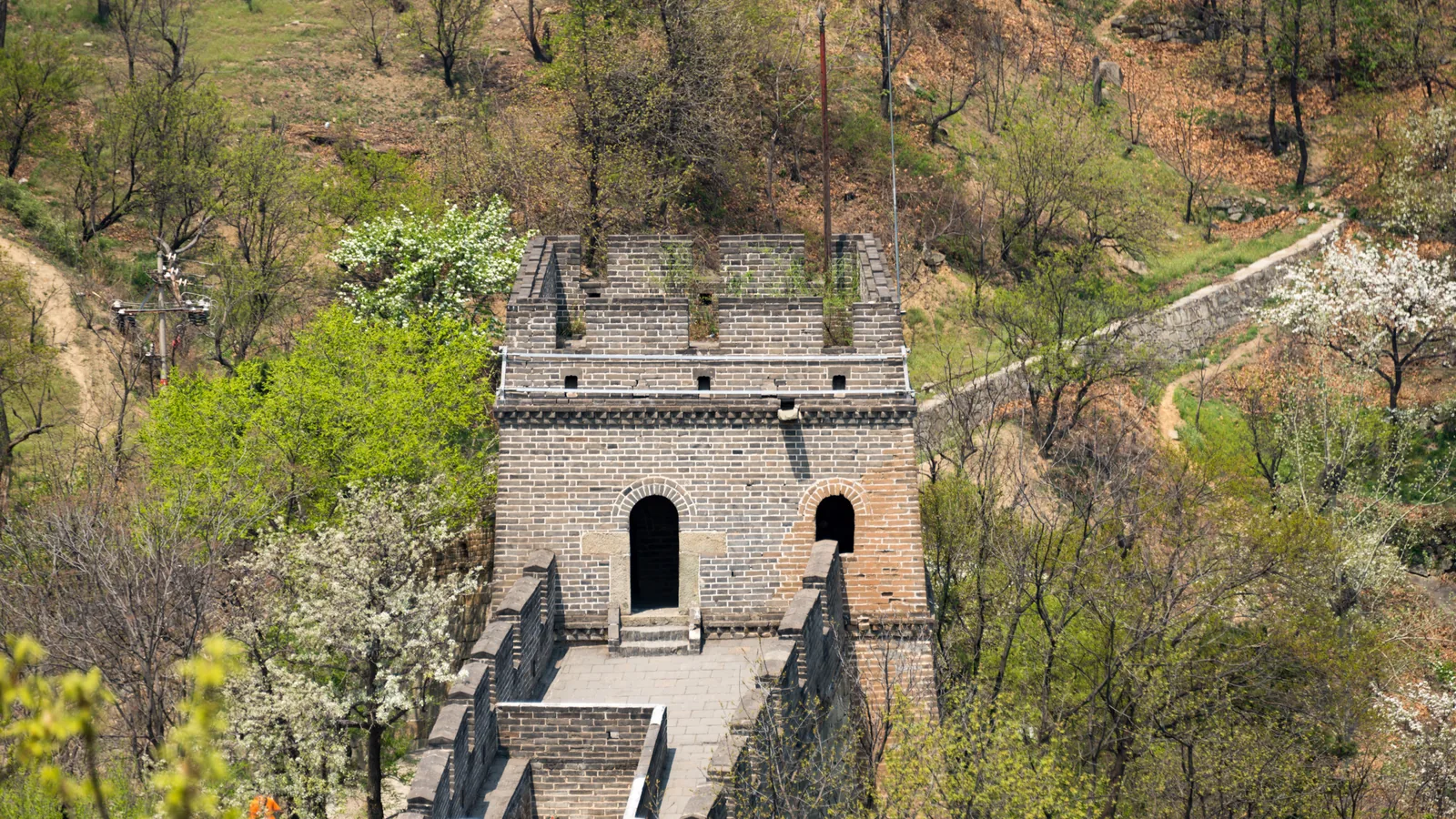
Mutianyu Great Wall慕田峪长城
Choose a short out-and-back wall walk if scenery matters more than distance, and add towers only while the return still feels manageable. A lift reduces the approach climb but does not make the wall step-free. Decide how you want to descend before choosing a ride, and leave the day flexible for travel to and from Beijing.
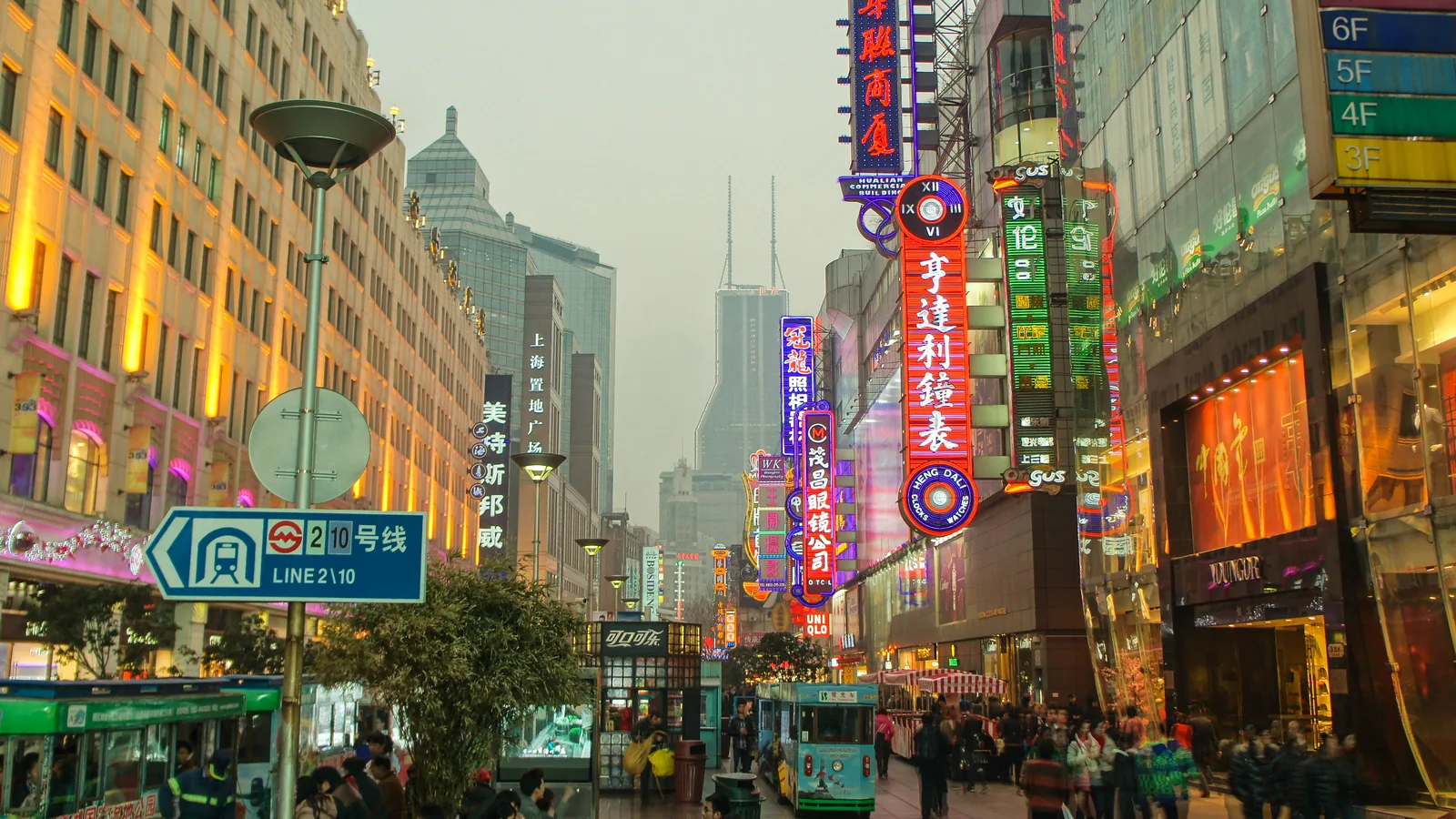
Nanjing Road Pedestrian Street南京路步行街
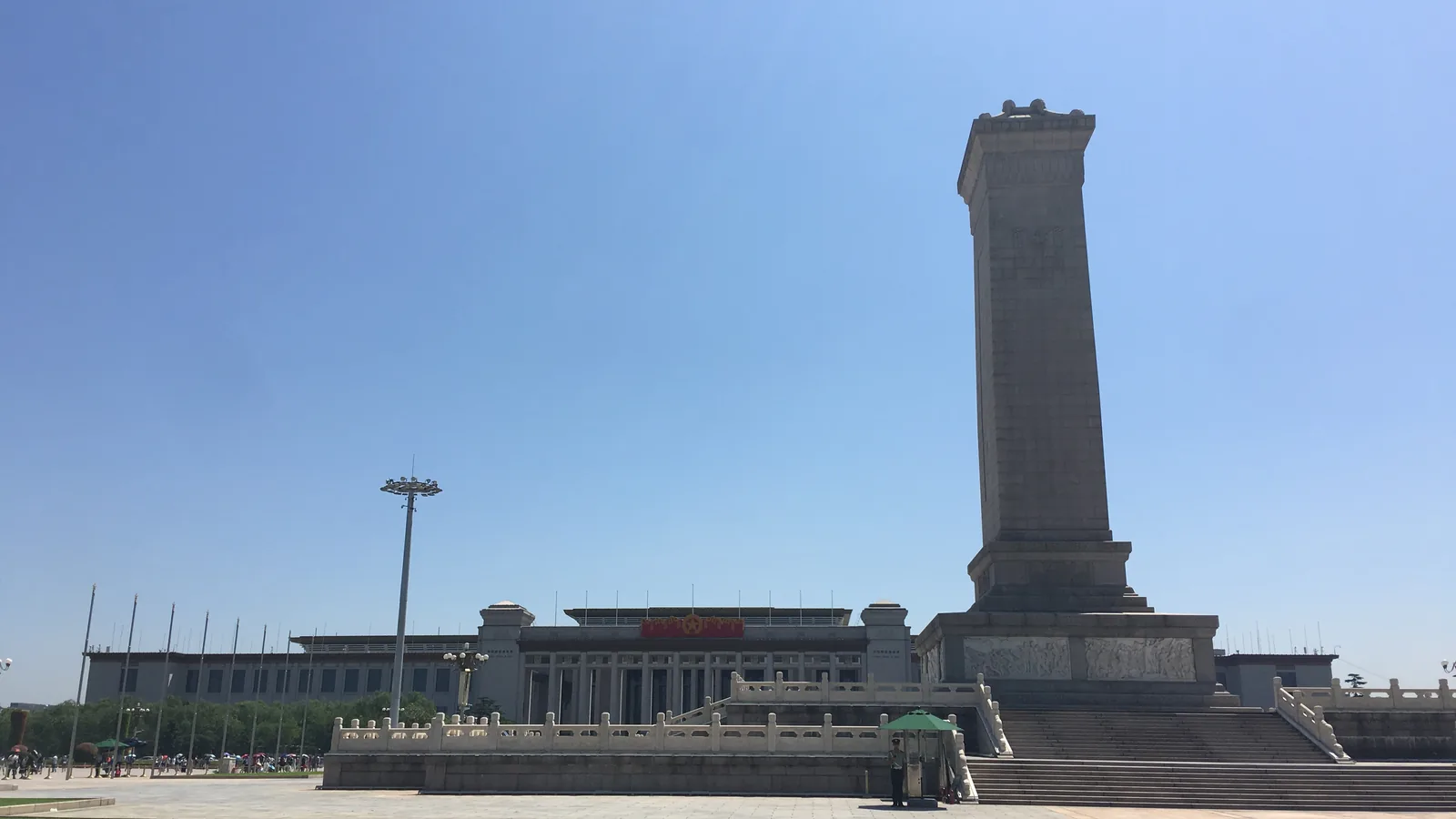
National Museum of China中国国家博物馆
Pick one thread for your first visit: a chronological section of Ancient China, a modern-history exhibition, or one object family such as bronzes, jade or ceramics. Read each piece through its use, date and material. Check the current exhibition list and floor plan, and keep a second theme in reserve if a particular gallery or object is unavailable.
Shaanxi History Museum陕西历史博物馆
Use the Shaanxi History Museum to build a chronological framework for Xi’an: prioritize Zhou bronzes, Qin material, Han objects and the Tang galleries rather than trying to inspect every case. Pair it with the Giant Wild Goose Pagoda area for a coherent day. Check the current visitor panel below for the latest entry and venue rules.
Shanghai Museum上海博物馆
Choose the Shanghai Museum venue that matches the collection you want to see: the People’s Square building and the East Museum are distinct destinations. Build the visit around two or three galleries instead of attempting every floor. Use the current visitor panel below for venue-specific entry, opening and passport information before setting out.
Shanghai Tower Observatory上海中心·上海之巅观光厅
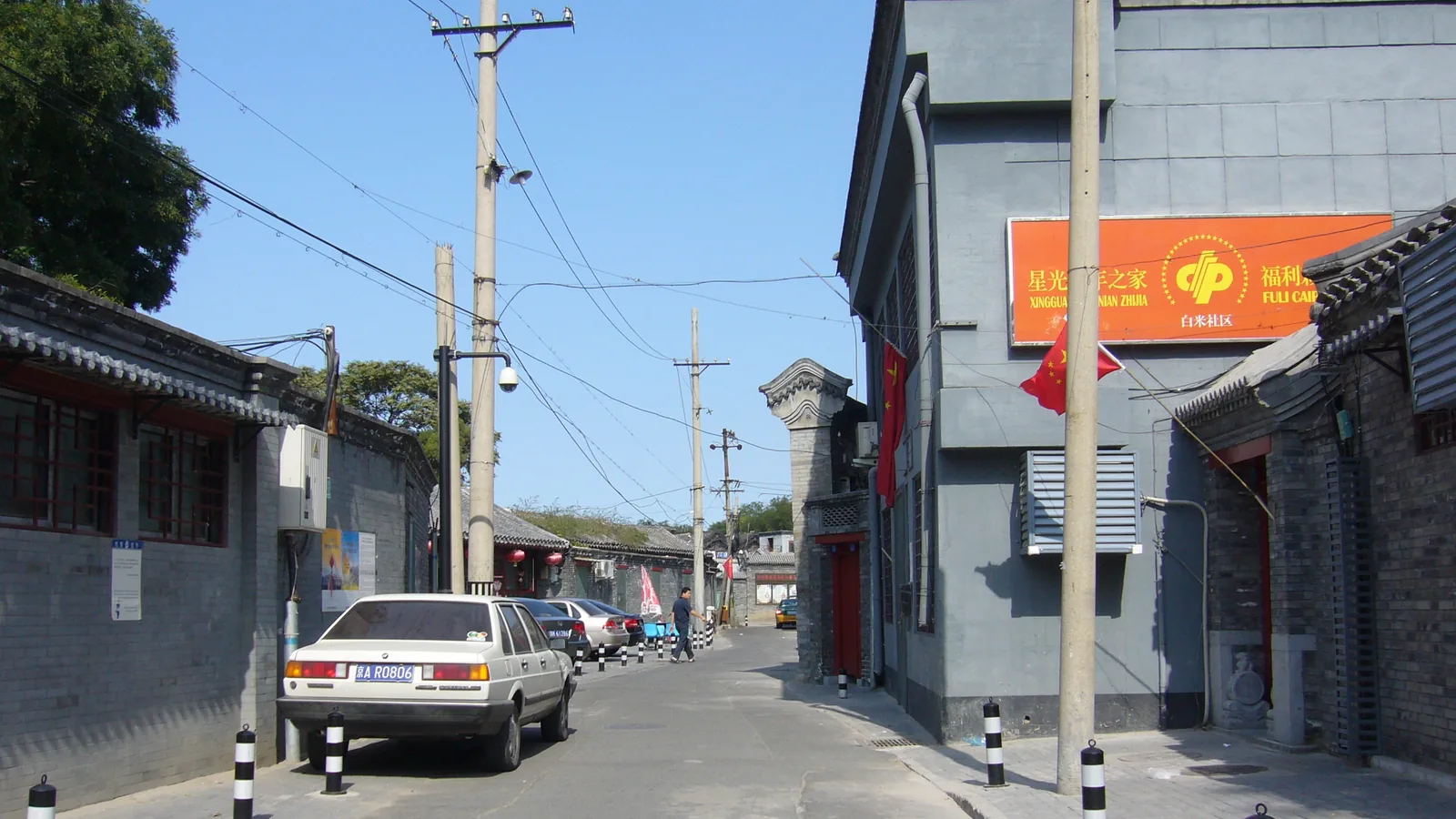
Shichahai & Hutongs什刹海与胡同
Small Wild Goose Pagoda小雁塔
Choose the Small Wild Goose Pagoda when you want to combine a Tang brick monument with temple grounds and Xi’an Museum. Make the exterior and museum your core visit, not an assumed climb. It complements the Giant Wild Goose Pagoda through a different setting and the history of the monk Yijing.
Summer Palace颐和园
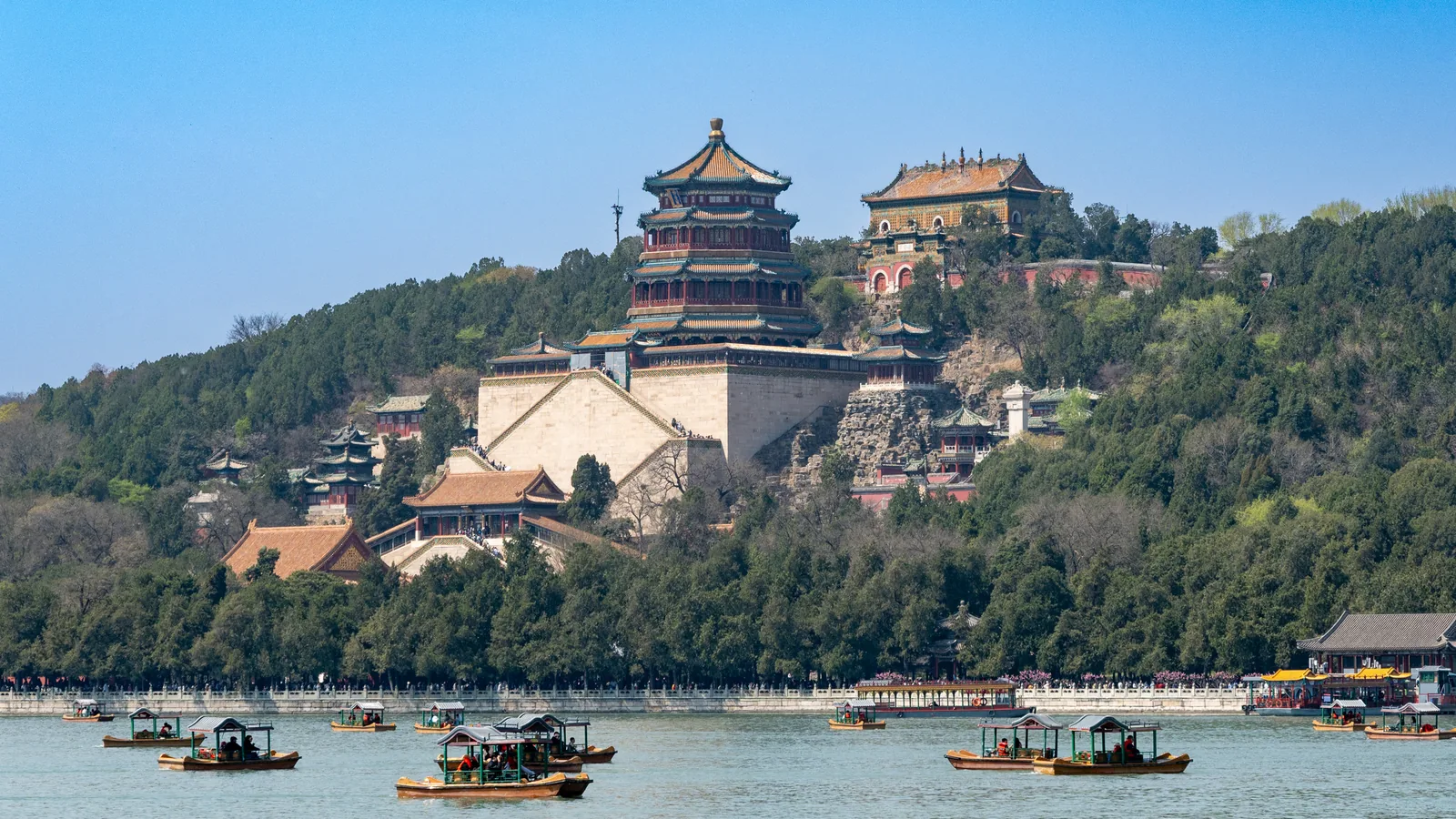
Plan the Summer Palace as a landscape journey around Kunming Lake and Longevity Hill, not as a checklist of buildings. Choose a compact lakeshore route when energy is limited, or add the hill and a longer waterside circuit for a fuller visit. The current visitor panel below carries the maintained admission, access and schedule information.
Temple of Heaven天坛
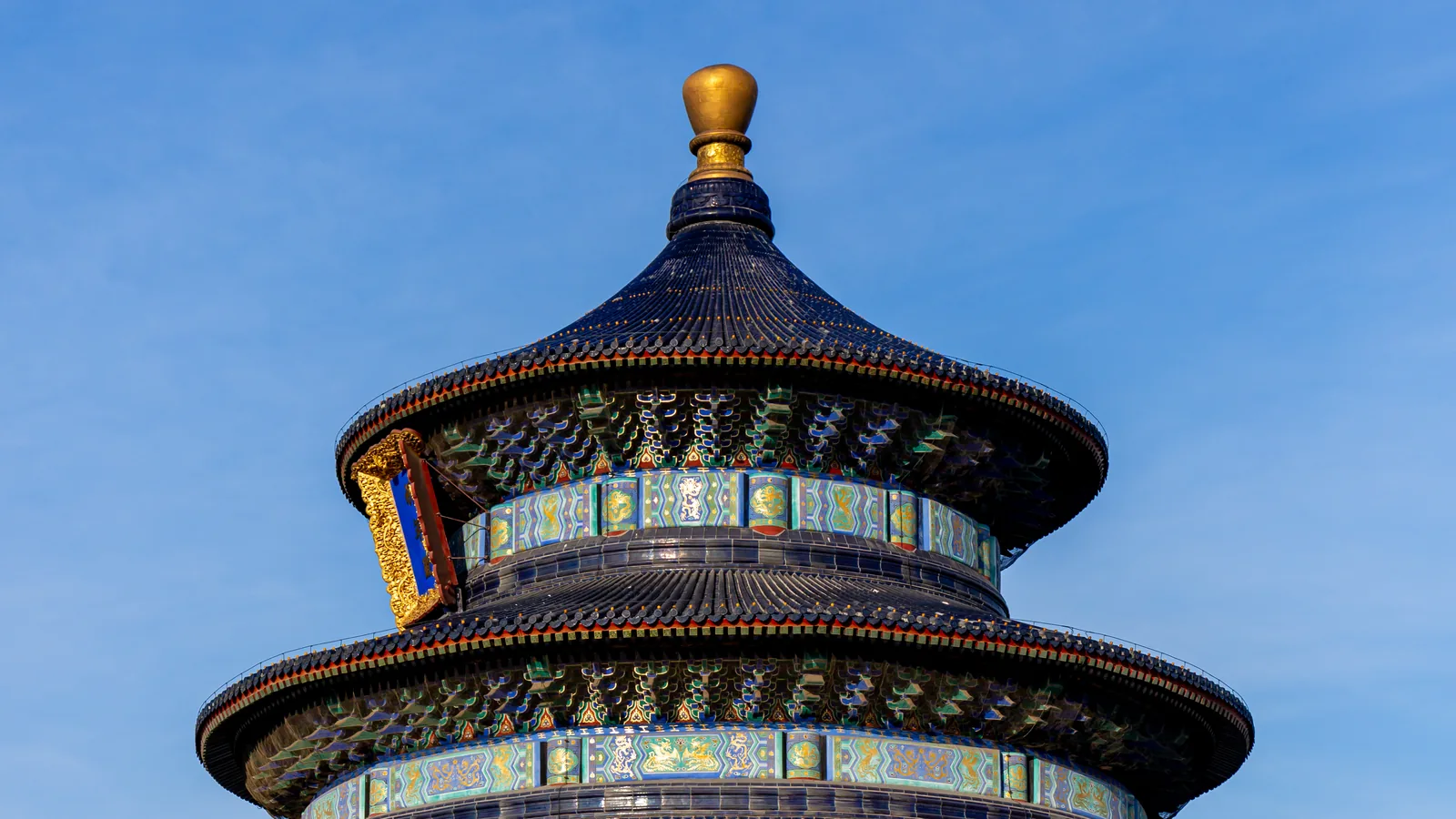
Combine the ceremonial axis with the surrounding park rather than visiting only the Hall of Prayer for Good Harvests. A satisfying route links the Hall, Danbi Bridge, Imperial Vault and Circular Mound while leaving time to observe everyday park life. Check the current visitor panel below before deciding which areas and entrances fit your visit.
Terracotta Army秦始皇兵马俑博物馆
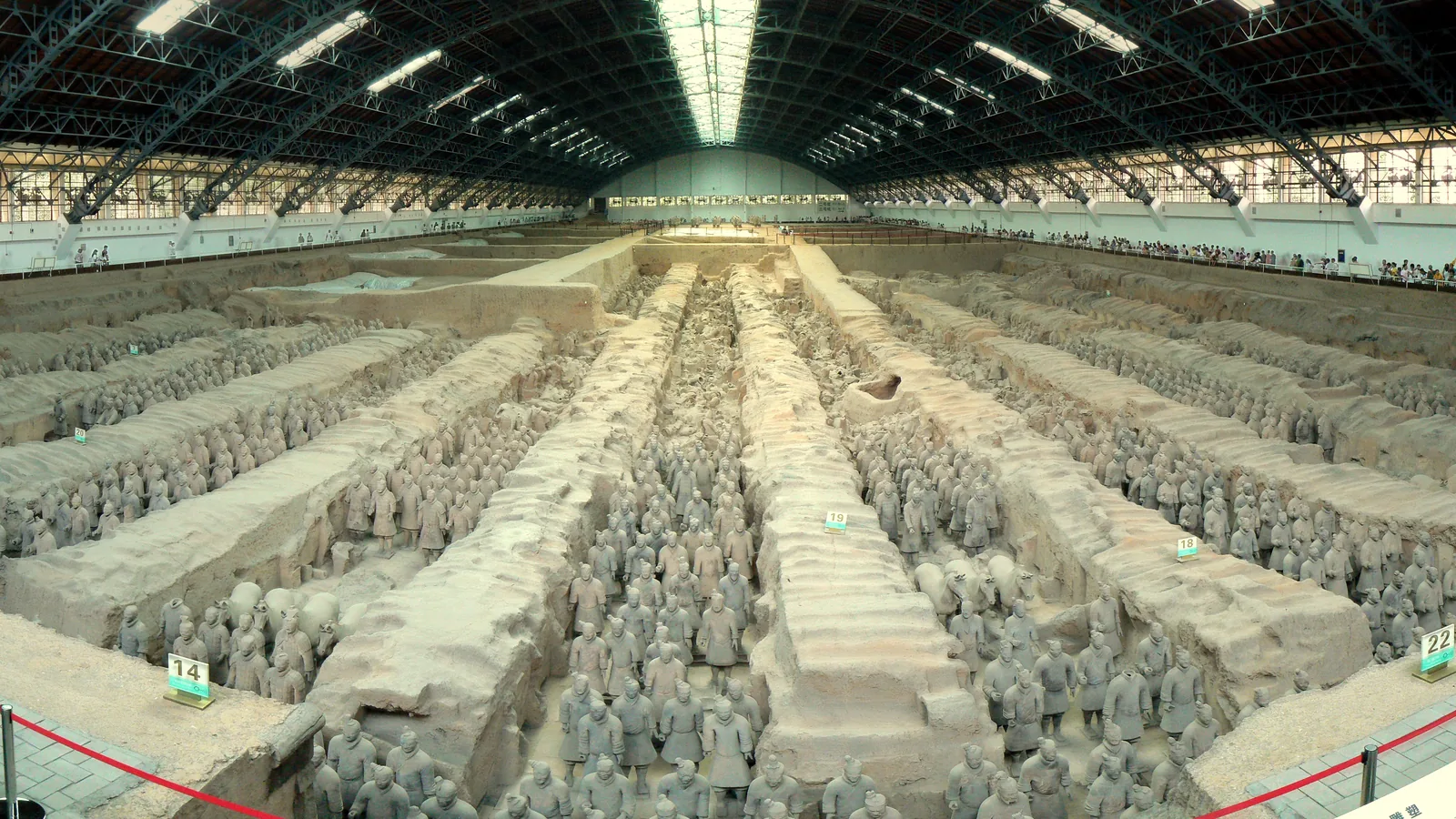
Give the Terracotta Army a dedicated half-day and visit Pit 1 first for scale, then use Pits 3 and 2 to understand command structure, restoration and the site’s unfinished archaeology. The museum is outside central Xi’an, so keep the day geographically simple. The current visitor panel below contains maintained ticket, passport and transport guidance.
The Bund (Waitan)外滩
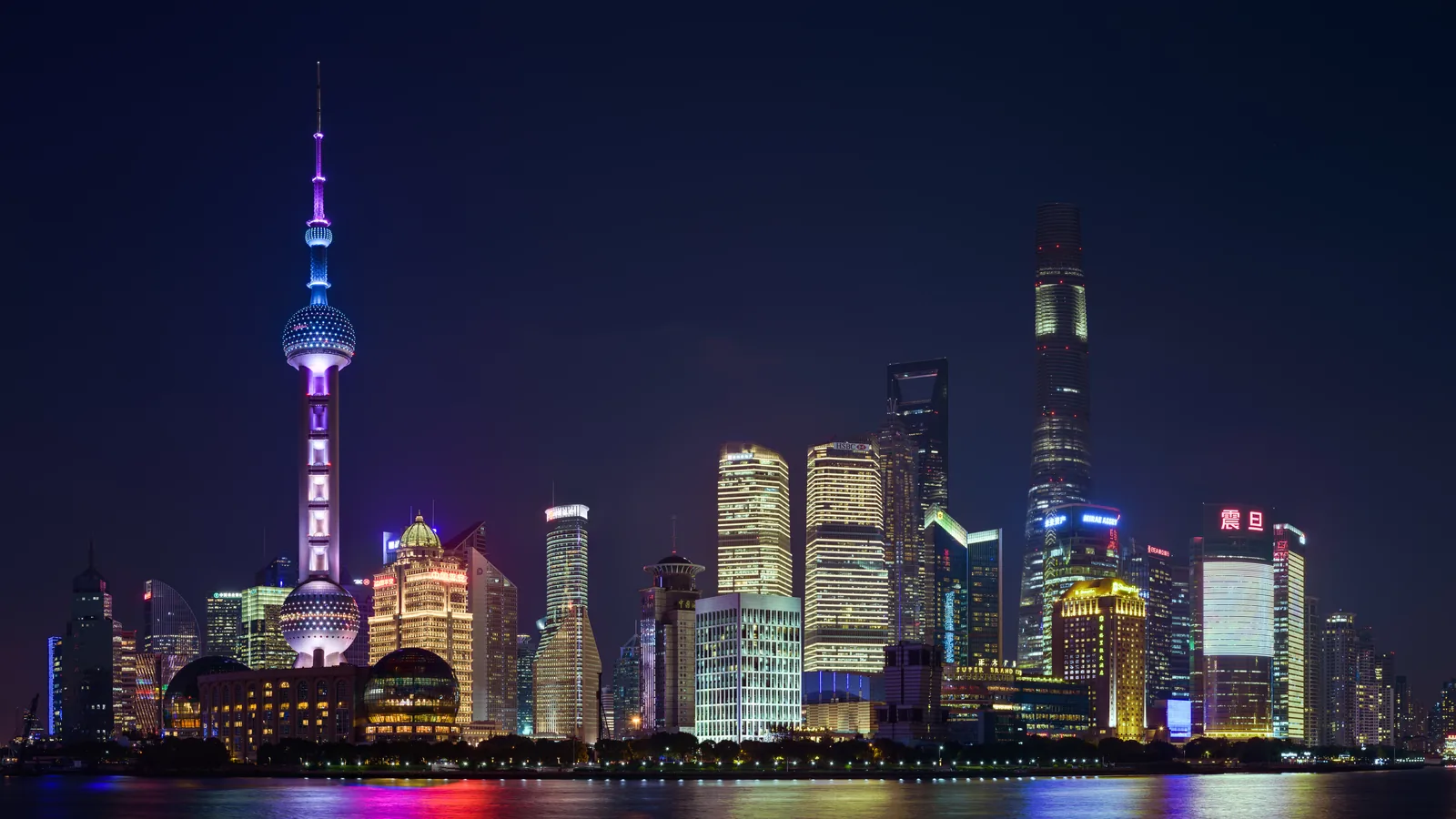
Walk the Bund as an urban-history route: compare the historic riverfront facades with the Pudong skyline, then continue into the former financial district or cross the river for a second perspective. Dusk creates the strongest contrast, but the architecture is easier to read in daylight. Check the current visitor panel for any operational notices.
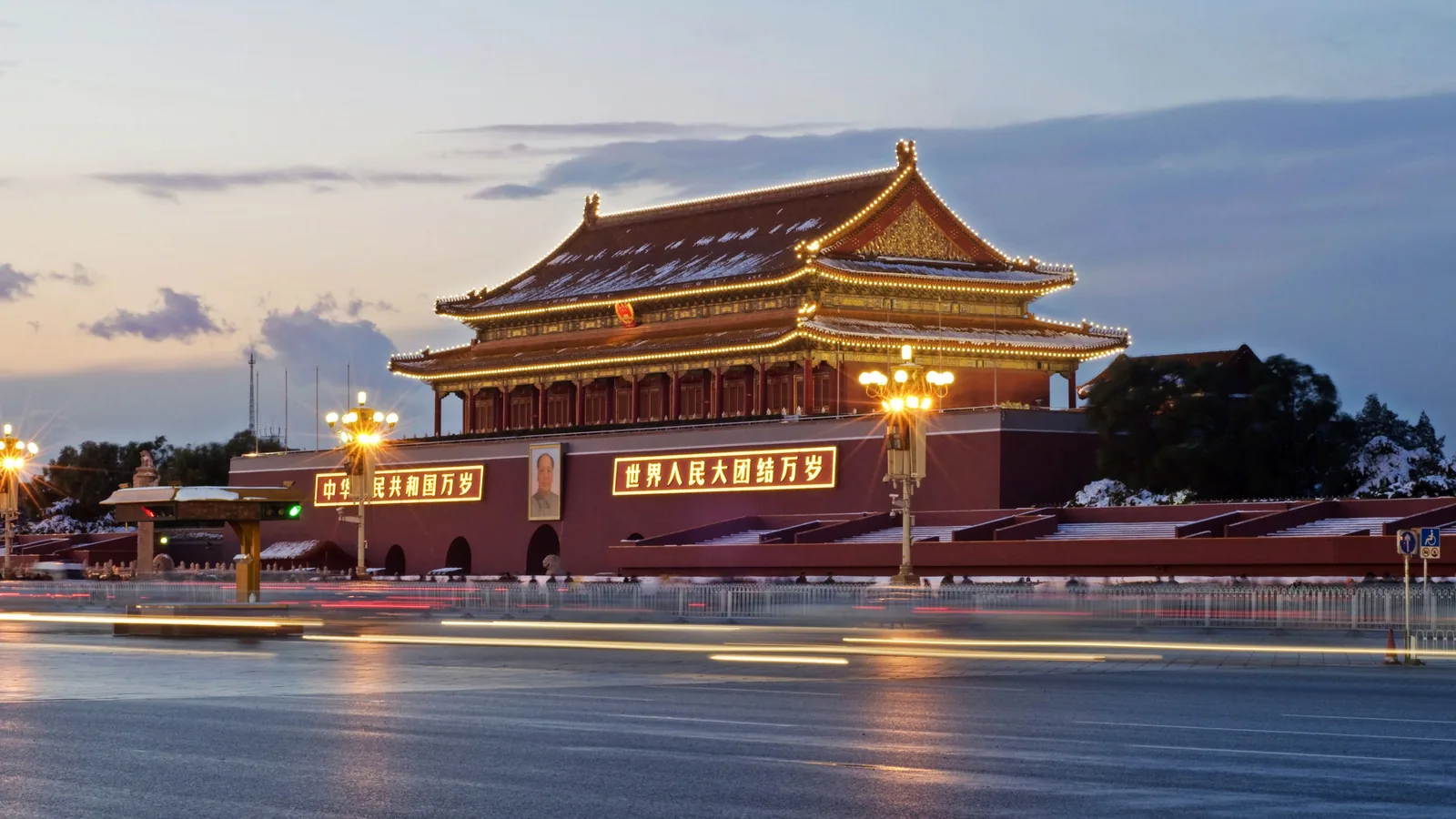
Tiananmen Square & Gate天安门广场与城楼
Treat Tiananmen Square and the Gate Tower as separate experiences, then connect them to the Forbidden City along Beijing’s central axis. The square rewards context more than speed: allow for controlled entry and spend time reading the symmetry of the space. Use the current visitor panel below for access, document and schedule details.
Tianzifang田子坊
Choose Tianzifang for small-scale lanes and adaptive reuse, especially if you enjoy browsing shops as part of an architecture walk. Look above the storefronts and compare residential entrances with larger former workshop spaces. Choose Wukang–Anfu instead if you prefer wider street views and a less confined route.
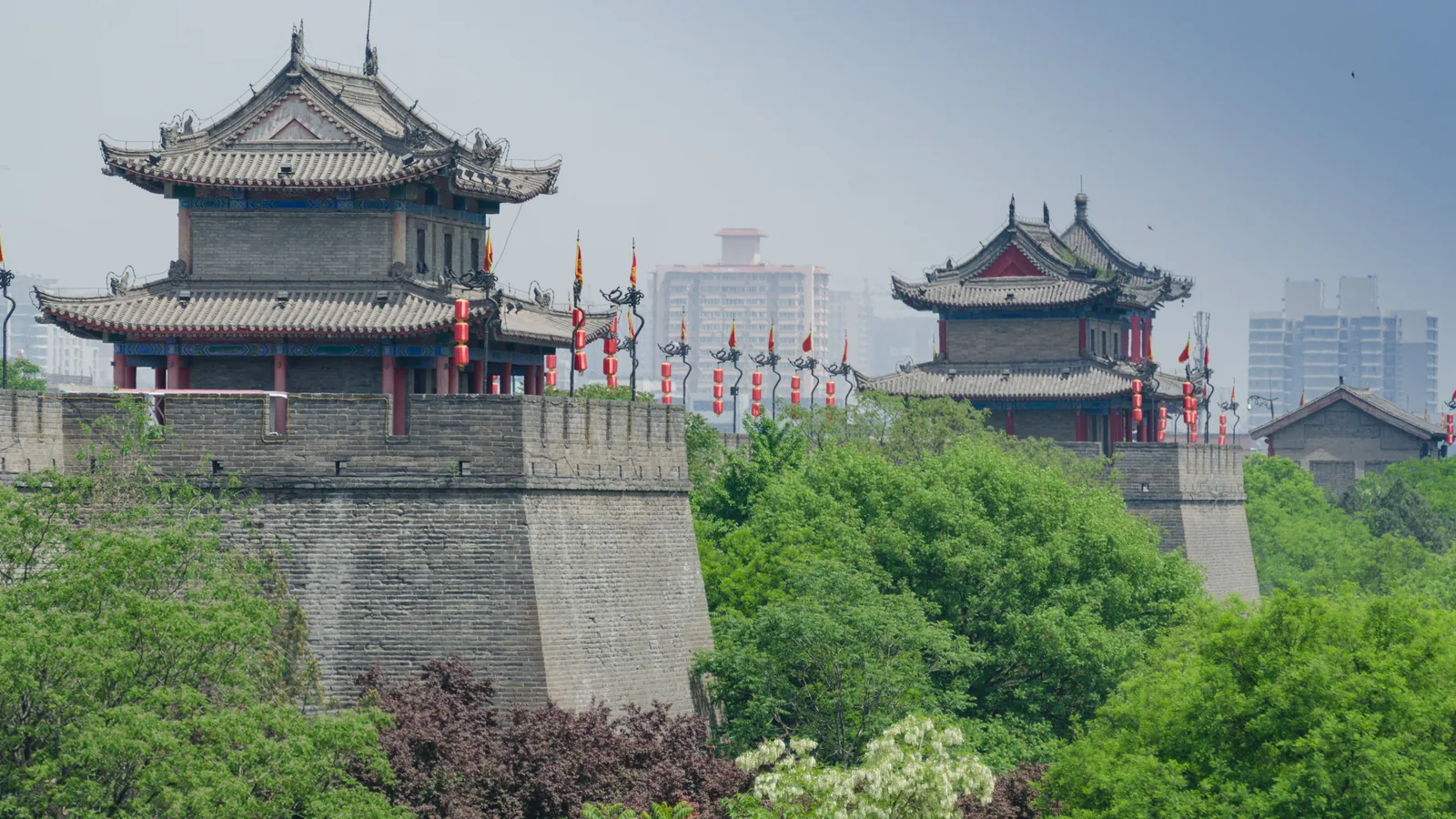
Xi'an City Wall西安城墙
Start at a major gate for orientation, then decide whether to walk a short atmospheric section or make a longer circuit. The wall’s value comes from the changing relationship between the old city and modern Xi’an below, not from completing every kilometre. Check the current visitor panel for gate access, admission and temporary operating notices.
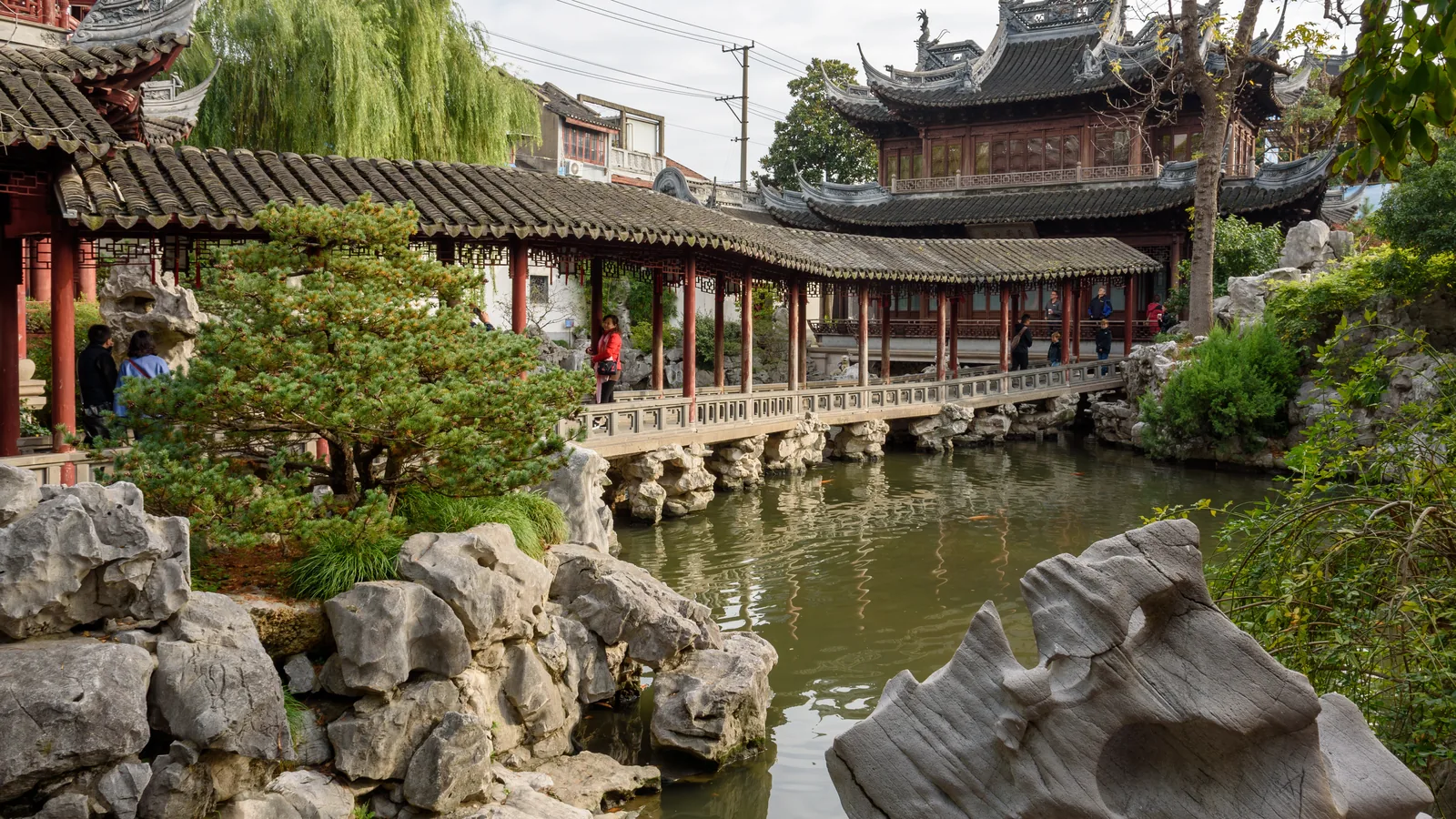
Yu Garden (Yuyuan)豫园
Separate the classical garden from the surrounding bazaar in your plan. Inside, slow down for framed views, rockeries, ponds and changing room-to-courtyard sequences; outside, expect a much busier commercial atmosphere. The garden works best as a focused cultural stop rather than a rushed photo detour. Current visitor details appear in the panel below.