
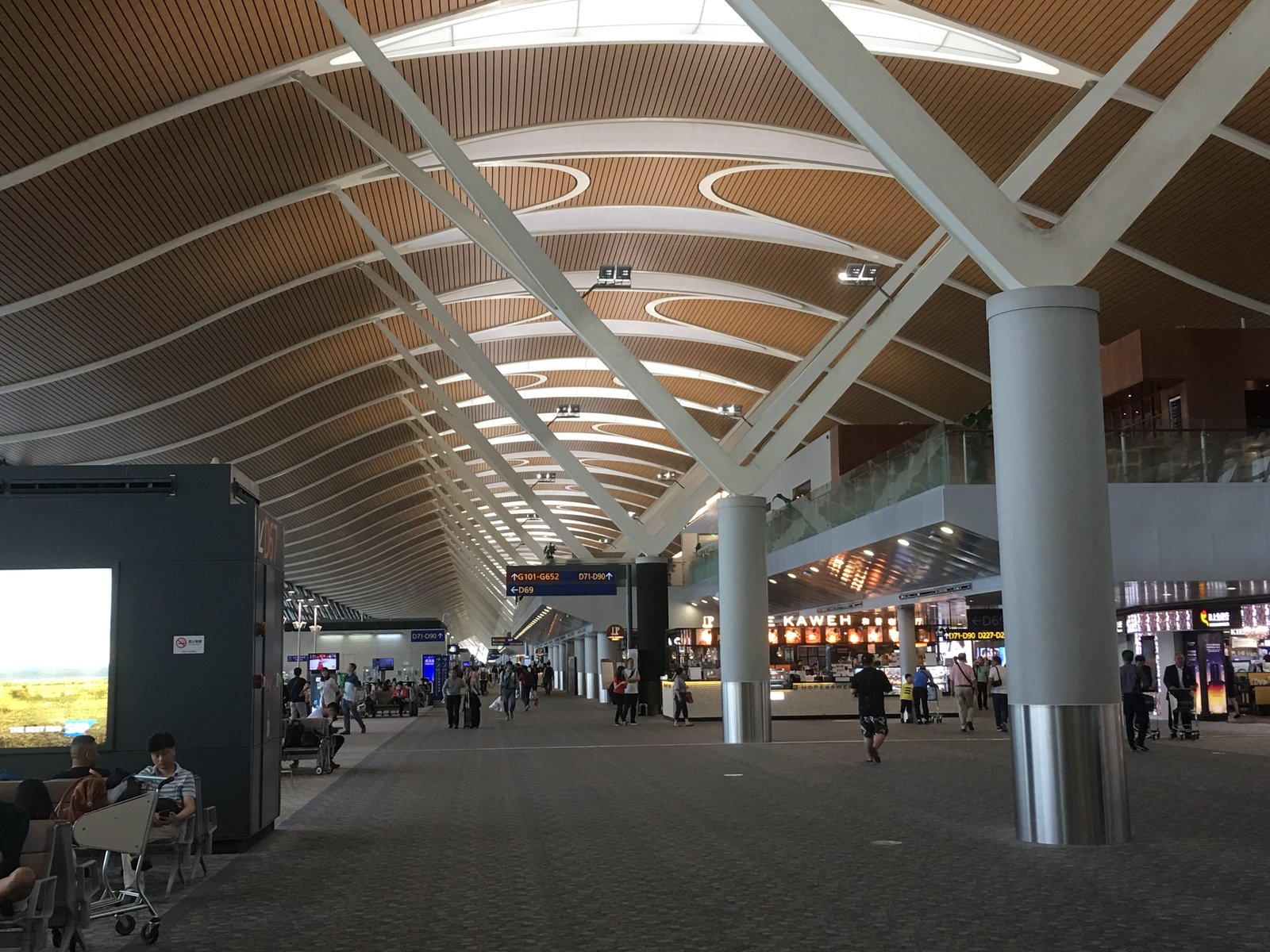
Online arrival card, visa types, airport flow, first-day logistics, and common arrival scams.
Quick answer
Entering China requires understanding which entry regime applies to you, completing the arrival card (free, online), going through immigration with biometric data collection, and handling first-day logistics (SIM, payments, transport, hotel registration). The process is straightforward at major international airports if you prepare in advance.
Three entry regimes – know which one applies
Foreign visitors enter China under one of three regimes. These are often confused.
1. Unilateral visa-free entry (单方面免签)
Citizens of specific countries can enter China WITHOUT a visa for tourism/business for a set number of days (typically 15 or 30 days, varying by nationality). As of 2024-2025, China expanded this to citizens of approximately 38 countries including France, Germany, Italy, Spain, Netherlands, Malaysia, Thailand, Singapore, UAE, Switzerland, and many others.
- No advance visa application needed.
- You can travel freely within China during your stay.
- The country list and duration can change. Verify with NIA, your airline, or the Chinese embassy before booking.
2. 240-hour transit visa-free (240小时过境免签)
Citizens of 55 eligible countries can transit through China WITHOUT a visa for up to 240 hours (10 days) when continuing to a THIRD country/region. As of the National Immigration Administration’s November 2025 update, the policy applies at 65 ports in 24 provincial-level regions.
- You MUST be transiting to a different country from your origin (Country A -> China -> Country B, where B is not A).
- Hong Kong, Macau, and Taiwan count as third regions for this purpose.
- You must enter through an ELIGIBLE port of entry (not all ports support this).
- You can only move within an APPROVED REGION (e.g., Beijing-Tianjin-Hebei, Shanghai-Jiangsu-Zhejiang-Anhui, Guangdong, Chengdu-Chongqing).
- You must have a confirmed onward ticket.
- See the 240-hour transit visa-free guide for details.
3. Regular visa (签证)
If you do not qualify for either visa-free option, you must obtain a Chinese visa BEFORE arrival (typically an L tourist visa) at a Chinese embassy/consulate or visa center.
Online arrival card – BEWARE FAKES
The official arrival card is completed online through the National Immigration Administration website at en.nia.gov.cn. It is FREE.
CRITICAL WARNING: There are FAKE third-party websites that mimic the official arrival card page and charge fees for this free service. ONLY use en.nia.gov.cn (or the Chinese site nia.gov.cn). If a website asks for payment for an arrival card, it is NOT the official site. Do NOT enter personal information on third-party arrival card sites.
Some ports may require a health/customs declaration form in addition to the arrival card. Check current requirements before travel.
Airport arrival process step by step
-
Before landing: Complete the online arrival card (if required) and have your passport, hotel booking address, and onward ticket ready.
-
After landing: Follow signs to Immigration/Border Control (边防检查/入境检查). Foreign visitors queue at “Foreign Nationals” lanes.
-
Immigration: Present passport; be ready to state purpose of visit, length of stay, and accommodation details. Biometric data (fingerprints, facial photo) is routinely collected. The officer stamps your passport with entry date and permitted duration.
-
Baggage claim: Follow signs to baggage claim (行李提取).
-
Customs:
- Green channel (无申报): Nothing to declare (most travelers).
- Red channel (申报): If you have items to declare (cash over USD 5,000 equivalent, restricted items, etc.).
- Random luggage screening is common.
-
Exit to arrivals hall: After customs, you enter the public arrivals hall with ATMs, SIM card shops, money exchange, taxi stands, and metro connections.
First 24 hours: what to do
-
Get RMB cash: Withdraw from an ATM at the airport (Bank of China ATMs are most reliable for foreign cards) or exchange a small amount. Cash is useful for immediate needs (taxi, snacks, transport).
-
Get connected: Buy a SIM card at an official carrier shop (China Mobile/China Unicom/China Telecom) in the arrivals hall (requires passport + facial verification), or activate international roaming / a pre-purchased eSIM. See the Phone, Apps & SMS guide for the full connectivity decision.
-
Set up payments: Download Alipay and WeChat, then link supported international cards directly. Keep another card and some RMB cash as backups. See the Payment & Apps guide.
-
Get to your hotel: Use metro (cheapest), official taxi stand, or Didi (ride-hailing). Do NOT accept rides from people approaching you in the arrivals hall offering “taxi” services – use official stands or Didi.
-
Hotel registration: Hotels automatically register your stay with the police (this is mandatory). If staying with friends/family in a private residence, you MUST register at the local police station (派出所) within 24 hours of arrival.
-
Save copies: Take a photo of your passport and entry stamp; store securely. Carry a photocopy of your passport.
Common arrival scams
- Fake taxi/transport offers: People in arrivals hall offering rides are often unlicensed and overpriced. Use official taxi stands or Didi.
- Fake arrival card websites: Third-party sites charging for the free arrival card. Only use en.nia.gov.cn.
- Currency exchange scams: Unauthorized money changers offering “better rates.” Use official ATMs or bank exchange counters.
- “Black car” (黑车) drivers: Unlicensed drivers soliciting at airport exits charging exorbitant prices.
- SIM card scams: Unauthorized sellers offering SIMs that may not work or are improperly registered. Buy from official carrier stores.
- “Tea ceremony” or “art student” scams: Less common at airports but possible – friendly English-speaking strangers inviting you to galleries or ceremonies with exorbitant bills. Politely decline.
Next steps
Sources
- National Immigration Administration: https://en.nia.gov.cn/
- NIA 240-hour transit update: https://en.nia.gov.cn/n147413/c183100/content.html
- China government visa-free port expansion: https://english.www.gov.cn/news/202511/04/content_WS69094ae0c6d00ca5f9a07472.html