
Quick answer
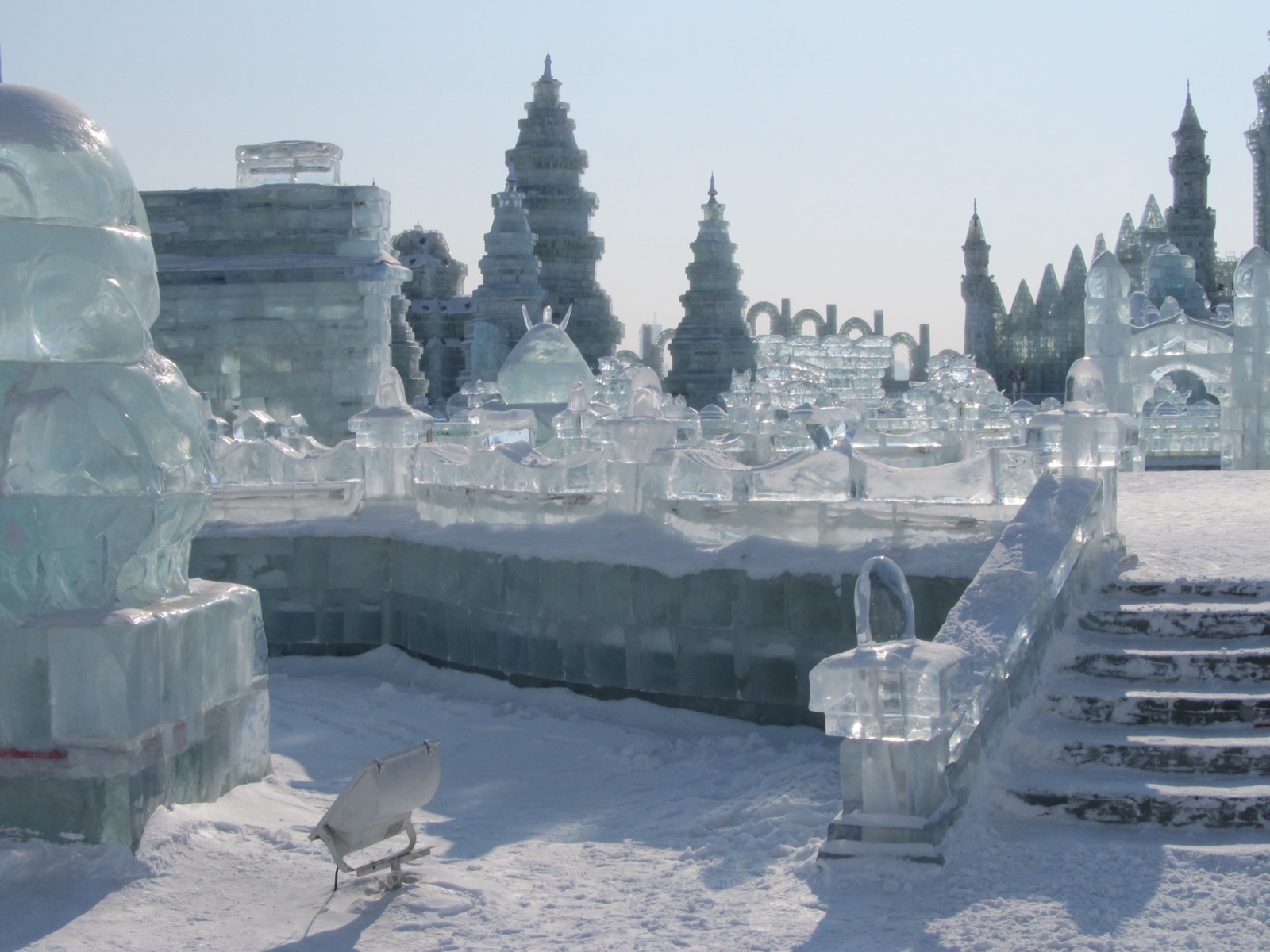
Visit Harbin ONLY in winter (late December to mid-February) for the Ice & Snow World. Summer visits are not recommended for most travelers because the city’s main draw – the massive illuminated ice buildings and sculptures – does not exist outside the winter festival season.
The Ice & Snow World is the main attraction: massive illuminated ice buildings, ice slides, and sculptures that are BEST VISITED AT NIGHT when colored lights illuminate the translucent ice. Central Street (Zhongyang Dajie) is a pedestrian cobblestone street lined with Russian-era buildings, shops, and food stalls. St. Sophia Cathedral is an iconic Russian Orthodox church (now a museum) with a distinctive green onion dome. Siberian Tiger Park lets visitors see Siberian tigers from caged buses.
Harbin is a specialized winter destination. It is NOT a good first China stop for most travelers – combine it with Beijing (4.5-5 hours by HSR) for a winter trip. See the Winter Ice Itinerary for a suggested route.
See the Daily Life guide for practical details. See the Holiday Calendar guide for practical details. Pairs well with Beijing for a multi-city trip.
Booking warnings
- Ice & Snow World tickets should be booked in advance during the festival season (typically early January to late February; exact opening and closing dates vary by year depending on weather and official announcement). The 2025-26 standard adult ticket was ¥328 (discount ticket ¥240 for children, students, seniors, and Harbin residents); prices for the 2026-27 season have not been announced at time of writing. Book via the official WeChat mini-program (search “哈尔滨冰雪大世界”) or official channels. Foreign passport holders: ID/passport input is required for entry; the full end-to-end online booking flow for foreign passports has not been independently verified – if you encounter issues, ask your hotel concierge for assistance or call the official hotline 400-639-1999 (9:30-21:30). Tickets can sell out during Chinese New Year.
- Dress for -25C or colder: Thermal base layers, down jacket (parka length preferred), windproof outer layer, thermal pants, warm hat covering ears, face covering/neck gaiter, thick gloves (liners + outer mittens work best), hand warmers and foot warmers (buy in bulk locally), thermal socks, and NON-SLIP insulated boots. Ice and compacted snow make surfaces slippery everywhere.
- Book a hotel near a shuttle point or near Central Street (Daoli District). The Ice & Snow World site is outside the city center; taxis may use surge pricing during festival hours.
- Siberian Tiger Park: Approximately ¥90 (entry only) to ¥130 (entry + adventure vehicle); standard sightseeing bus combination around ¥110. Prices subject to change; advance booking recommended but walk-up tickets usually available outside peak days.
- Festival dates vary annually based on weather and official announcement. The festival typically opens in late December (with a trial opening period) and runs through late February. Mid-January to mid-February is generally the best period when all ice structures are complete and illuminated, but conditions vary year to year.
Best Areas to Stay
- Daoli District / Central Street area: MOST CONVENIENT for tourists. Near Saint Sophia Cathedral, Central Street, Songhua River, and Stalin Park. Most Ice Festival shuttle buses depart from this area. Hotels range from budget to upscale.
- Near Ice & Snow World (Songbei District): Closer to the festival site (~15min taxi from center) but fewer dining and entertainment options. Only worth it if you plan to spend all your time at Ice & Snow World.
- Nangang District: Commercial area with good transport links and some hotels, but less atmospheric for tourists.
- Near Harbin Station or Harbin West: Practical for early departures; otherwise stay in Daoli.
Arrival & Transport
- Airport HRB (Taiping International): ~45min-1hr by airport bus or taxi to center. Airport buses connect to major hotels and stations.
- Harbin West Railway Station: HSR services to Beijing (~4.5-5hrs), Changchun (~1.5-2hrs), Shenyang (~2.5hrs), Dalian (~3.5hrs). Metro Line 3 connects to city.
- Harbin Station: Central station with conventional trains and some HSR services. Walkable to Central Street area.
- Taxis/Didi are essential in winter: Metro Line 2 serves the Ice & Snow World station, but walking outside for more than 15-20 minutes in -25C weather is dangerous; use Didi/taxi for door-to-door transport.
- Buses to Ice Festival: Shuttle buses run from Central Street area during festival season. Check current routes at your hotel.
- WARNING: In -25C weather, walking outside for more than 15-20 minutes can lead to frostbite on exposed skin. Plan Didi/taxi for moving between sights. Limit continuous outdoor exposure to 30-45 minutes at a time, then warm up indoors.
Top Sights
Harbin Ice & Snow World / 哈尔滨冰雪大世界
The single reason to visit Harbin in winter. Massive illuminated ice buildings (some over 40m tall), ice slides, snow sculptures, and ice architecture built from blocks of ice cut from the frozen Songhua River. Standard adult ticket was ¥328 for the 2025-26 season (prices for future seasons subject to change). BEST VISITED AT NIGHT (lights typically illuminate from around 17:00 to 21:30; hours vary by date) when colored lights illuminate the ice. The ice is dramatically less impressive in daylight. Allow 3-4 hours. Outdoor site on snow/ice; dress extremely warmly. Non-slip boots essential. The site may close temporarily during extreme weather (blizzards, heavy snow, or dangerously low temperatures); check the official WeChat account for real-time updates. Official site: hrbicesnow.com.
Saint Sophia Cathedral / 圣索菲亚大教堂
Iconic Russian Orthodox cathedral built in 1907 (and expanded in 1932), now the Harbin Architectural Art Museum. The green onion dome and red-brick exterior are the iconic Harbin photo spot. Approximately ¥25 for interior museum entry (students/seniors approximately ¥10-20; verify current price). Open approximately 8:30-17:00 (last entry around 16:45). The exterior square is free and is the main photo spot, especially beautiful when lit at night or covered in snow.
Central Street (Zhongyang Dajie) / 中央大街
1.5km pedestrian cobblestone street built in 1898, lined with Russian-era and European-style buildings, shops, restaurants, and Harbin’s famous Modern (Madier) ice cream – eaten outdoors even in -20C (a Harbin tradition). Free. Ice sculptures along the street even outside the main festival. Shops 9:00-21:00; street always open.
Siberian Tiger Park / 东北虎林园
One of the largest Siberian tiger breeding centers in the world. Visitors tour large enclosures in caged buses (you are inside the cage; tigers are outside). Optional extra for meat feeding (chickens or beef attached to poles or vehicles). Approximately ¥90 entry (sightseeing bus adds ~¥20, adventure vehicle adds ~¥40); extra fees for feeding. Best in winter when tigers are most active in cold weather. ~1hr from center by taxi.
Songhua River / 松花江
In winter, the frozen river becomes a massive public playground: ice slides, snow tubing, ice skating, horse-drawn sleighs, ice bicycles, and the traditional winter swimming spectacle (locals cutting holes in the ice and swimming – watch, don’t try). Free. Access from Stalin Park. Always follow local safety signs – ice thickness varies.
Stalin Park / 斯大林公园
Riverside park along the Songhua River with the Flood Control Monument. Good for a winter walk with views of the frozen river and, on the opposite bank, the Ice & Snow World. Free.
Classic Routes
Ice Festival (2-3 days, winter only)
- Day 1: Arrive, check in to Daoli District hotel. Walk Central Street (indoor shops for warming up). Visit Saint Sophia Cathedral exterior (lit at night). Walk to Songhua River/Stalin Park for ice activities (short visit – it’s extremely cold). Warm up with a hotpot or Dongbei dinner.
- Day 2: Afternoon visit to Siberian Tiger Park (2-3hrs, bus tour of enclosures). Late afternoon: head to Ice & Snow World (arrive around 16:30-17:00, stay for night illumination 17:00-21:00). This is the main event. Take hand/foot warmers. Return to hotel to warm up.
- Day 3: Morning on Central Street (Madier ice cream, Russian bread, souvenirs) → departure, or add a visit to the Harbin Ice Lantern Show in Zhaolin Park (smaller, older ice lantern display, cheaper, in the city center) before departure.
Note on summer visits
Harbin is NOT worth visiting in summer (June-August) for most tourists. The Ice Festival IS the main draw. Summer temperatures are pleasant (20-28C) but there are no ice sculptures, and Harbin as a regular Chinese city has limited tourist appeal compared to other destinations. Summer visits only make sense if you are transiting to Mohe (China’s northernmost point) or have a specific interest.
Food to Try
Harbin cuisine is influenced by northeastern Chinese (Dongbei) and Russian traditions, hearty and warming for cold winters.
- Harbin sausage (ha’erbin xiangchang / hongchang / 红肠): European-style smoked sausage with garlic and black pepper, a legacy of Harbin’s Russian past. Buy from Qiulin Department Store (秋林公司) or other established shops; eat as a snack.
- Disanxian (地三鲜): “Three fresh vegetables from the earth” – potato, eggplant, and bell pepper stir-fried together. A classic Dongbei dish.
- Guo Bao Rou (锅包肉): Sweet and sour crispy pork, a Harbin/Dongbei specialty. Thin slices of pork battered, deep-fried, and tossed in a sweet-sour glaze. Different from other Chinese sweet-sour porks.
- Dongbei cold noodles (dongbei lengmian / 东北冷面): Chewy buckwheat noodles in cold broth, served with kimchi, beef, and a boiled egg. Refreshing even in winter (Dongbei people eat cold noodles year-round).
- Russian-style bread (lieba / 列巴): Large, dense sourdough rye bread, a legacy of Harbin’s Russian community. Available from Russian bakeries on Central Street.
- Russian restaurants: A few authentic Russian restaurants remain from Harbin’s Russian diaspora era (e.g., Huamei Restaurant on Central Street). Borscht, Russian-style pickles, and other Russian dishes.
- Harbin beer (哈啤): One of China’s oldest breweries, founded by Russians in 1900. Widely available.
- Frozen pears and frozen fruit (dongli dongshi / 冻梨冻柿): Pears and persimmons frozen solid by the -20C weather, a winter specialty eaten frozen (thaw slightly first). Sold by street vendors.
- Madier ice cream (马迭尔冰棍): Ice cream bars sold on Central Street and eaten outdoors even in -20C – a Harbin tradition.
Night Experience
- Ice & Snow World at night: THE main event. Lights typically illuminate from around 17:00 to 21:30 (varies by date and weather; the park may close earlier in extreme cold). The illuminated ice buildings and sculptures are magical. You can only stay for 3-4 hours maximum in the cold before needing to warm up.
- Central Street at night: Lit up with Russian-style street lamps, ice sculptures along the street even outside the main festival site, warm lights from shops and restaurants.
- Saint Sophia Cathedral lit up at night: The floodlit green onion dome against the dark winter sky is the iconic Harbin photo.
- Songhua River ice activities at night: Some ice slides and activities are lit up, creating a magical winter atmosphere.
- Zhaolin Park Ice Lantern Show: A smaller, older ice lantern display in the city center (separate ticket, cheaper than Ice & Snow World), nice for an evening walk.
Best Time to Visit
- WINTER ONLY: Late December to mid-February. This is when the Ice Festival runs.
- Peak period: Usually early January to late February. All ice structures are typically complete and illuminated during this window. Chinese New Year (usually late January or February) is EXTREMELY crowded – book hotels and tickets weeks ahead.
- January: Coldest (-20C to -30C daytime highs, colder at night), but ice structures are at their best and most complete.
- Late December: The festival may still be under construction (Ice & Snow World typically opens around late December to early January). Fewer crowds but some features may not be ready.
- March: Ice structures start to melt and the festival closes. Avoid March.
- SUMMER (June-August): 20-28C, pleasant weather but NO ice festival. Harbin as a regular city has limited appeal for foreign tourists compared to other Chinese cities. Only visit if you have a specific reason (transit to Mohe, etc.).
Culture & History
- Russian influence: Harbin was founded by Russians in 1898 as a construction base for the Chinese Eastern Railway (built by Tsarist Russia). It had a large Russian population until the 1960s. Russian architecture (St. Sophia Cathedral, Central Street), food (sausage, bread, beer), and culture remain visible. The city once had over 50,000 Russian residents.
- Chinese Eastern Railway (1897-1903): The railway, built by Russia to connect Vladivostok to the Trans-Siberian, transformed Harbin from a small fishing village on the Songhua River into a major international city. It was a multicultural boomtown with Russian, Jewish, Polish, Japanese, and other communities.
- Harbin Ice Festival: Started in 1963 as a local winter lantern festival, interrupted during the Cultural Revolution, and revived as an international festival in 1985. It is now one of the world’s four major ice and snow festivals (alongside Japan’s Sapporo Snow Festival, Canada’s Quebec Winter Carnival, and Norway’s Holmenkollen).
- Siberian Tiger Park: Established in 1996 for conservation and breeding of the endangered Siberian (Amur) tiger. It is one of the largest such centers in the world, with over 1,000 tigers (including white tigers, ligers, and other big cats).
- Dongbei (northeast China) culture: Harbin’s food, dialect, and culture are part of the broader Northeast Chinese tradition, known for hearty, warming food, warm hospitality, and a distinct dialect.
Accessibility & Tips
- NOT accessible for wheelchairs or strollers in winter: Ice and snow cover every surface; sidewalks and streets are slippery and uneven. Wheelchair use is extremely difficult.
- Ice & Snow World: An outdoor site on snow and ice. Bring crampons/non-slip shoe covers if you have them. Walking on snow and ice for 3-4 hours is tiring even for able-bodied visitors.
- Saint Sophia Cathedral: Exterior square is accessible (snow/ice depending on weather); interior museum may have steps.
- Elderly visitors: Extreme cold (-25C) is a serious health risk. Limit outdoor exposure to 1-2 hours at a time with warm-up breaks. Those with heart conditions or circulation problems should consult a doctor before visiting in peak winter.
- Phone batteries die in 5-10 minutes in -25C: Keep your phone in an inner pocket next to your body. Use hand warmers near your phone. Carry a power bank also kept warm in an inner pocket.
- Camera batteries also die quickly: Carry spares inside clothing, close to your body.
- Dress in layers:
- Base: Thermal underwear (top and bottom), moisture-wicking.
- Mid: Fleece or wool sweater, fleece pants.
- Outer: Down jacket (at least 800 fill power, parka length to cover thighs), windproof/waterproof outer pants.
- Extremities: Thermal boots rated to -30C with non-slip soles, thick wool socks (two pairs), face covering/balaclava, thermal hat covering ears, two pairs of gloves (thin liner gloves for dexterity + thick outer mittens).
- Extras: Hand warmers (bring 6-8 per day), foot warmers, lip balm with SPF, moisturizer (extremely dry air).
- Fitness: Moderate: Cold weather makes everything harder than it looks. Short walks feel like workouts. Limit time outside and warm up indoors frequently. Do not try to do multiple outdoor attractions in one day.
Common mistakes
- Visiting in summer expecting ice/snow: It does not exist outside late December to late February. Harbin without ice is just a regular northeastern Chinese city with limited tourist appeal.
- Underdressing for the cold: -25C is not “a bit cold” – it is dangerously cold. Exposed skin can develop frostbite in 15-30 minutes at wind chill temperatures. A standard winter coat from a milder climate (e.g., London, New York, Tokyo winter) is NOT sufficient. You need serious arctic-ready gear.
- Spending all day at Ice & Snow World: You cannot stay outside for 6+ hours in -25C without health risks. Plan 3-4 hours maximum, arrive around 16:30-17:00 to see the transition from daylight to illuminated night.
- Forgetting hand/foot warmers: Buy them in bulk locally in Harbin (cheaper than bringing from home). You will need 4-6 hand warmers and 2 foot warmers per day outdoors.
- Not keeping phone warm: Smartphone batteries die almost instantly in extreme cold. Keep phone in inner jacket pocket; use hand warmers near it.
- Using surge-priced taxis without checking Didi: Taxis leaving Ice & Snow World at closing time (~21:00-21:30) may charge surge prices or refuse to use meters. Use Didi for transparent pricing, or take the official shuttle bus.
- Expecting Harbin to be a major tourist city outside winter: It is not. English proficiency is lower than Beijing/Shanghai. Have your hotel address written in Chinese.
- Touching metal with bare skin in -25C: Skin sticks instantly to frozen metal and can tear when pulled away. This includes railings, door handles, and any bare metal surface.
Sources
- Harbin Ice & Snow World official website (ice.hrbicesnow.com) for 2025-26 season ticket prices, opening hours, transport, and contact information.
- Festival dates are weather-dependent and announced annually by the official organizer. The 2026-27 season dates have not been announced at time of writing.
- Saint Sophia Cathedral and Siberian Tiger Park prices are approximate based on multiple reporting sources; verify current prices before visit as prices change seasonally.