

Peking Duck 北京烤鸭
Beijing's best-known banquet dish: roast duck carved into crisp skin and tender meat, eaten in thin pancakes with sweet bean sauce, scallion and cucumber.
Start with regional cuisines and dishes, then open a destination guide for local food areas and useful context. We prioritize durable local knowledge over fragile restaurant rankings.
Food pages explain the topic. Destination pages own the local recommendations and practical details.
Understand the broad flavor systems first, then use destination guides for local detail.
See the English name first, Chinese name underneath, what it contains, and how it is normally served.
Choose a useful market, street, or neighborhood without treating one viral shop as the whole city.
Use practical phrases, allergy notes, menu context, payment guidance, and realistic backups.
8 published destination guides currently include food coverage.
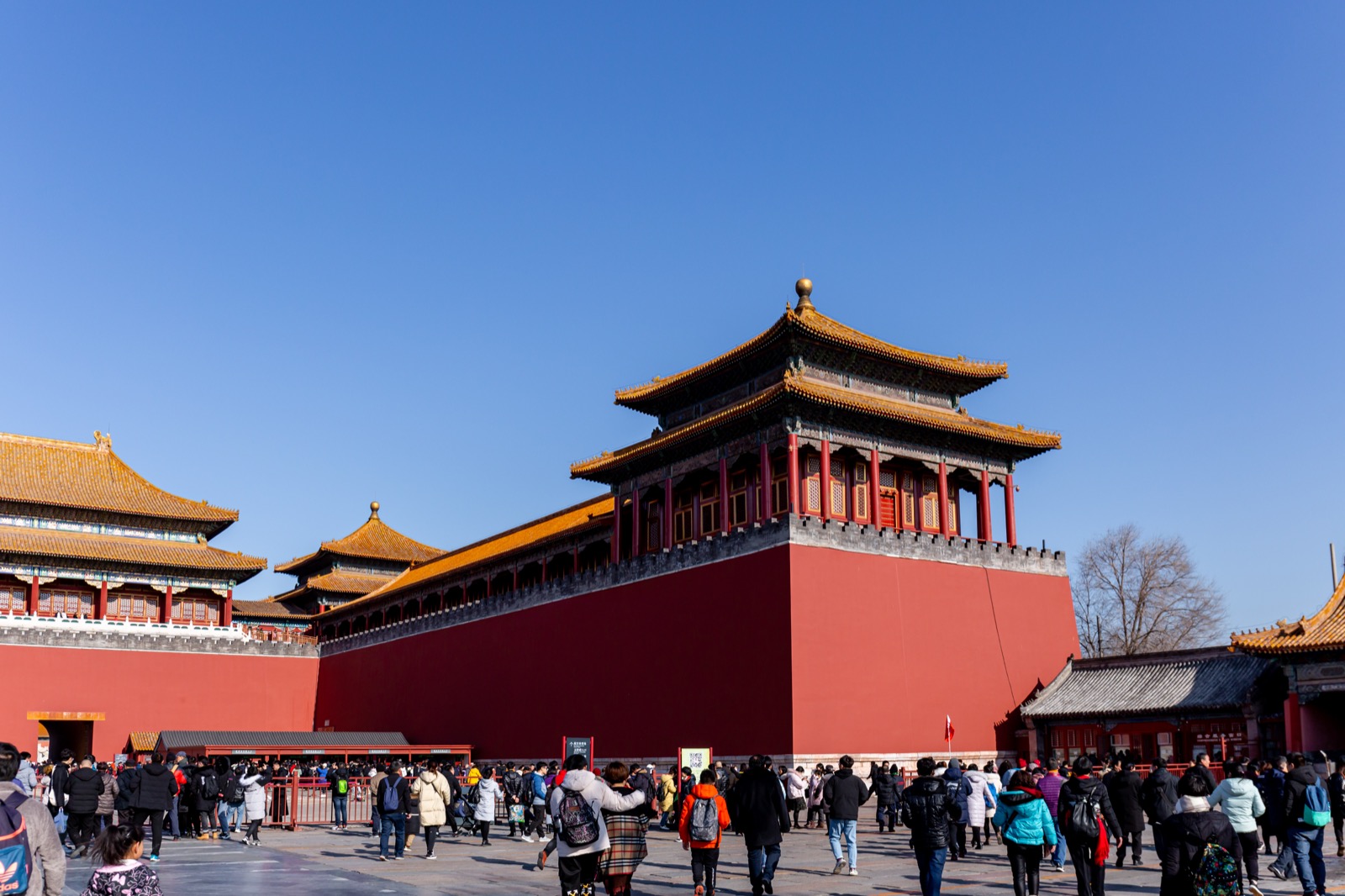
imperial history · UNESCO heritage · Great Wall day trip

modern city life · skyline and architecture · food and dining
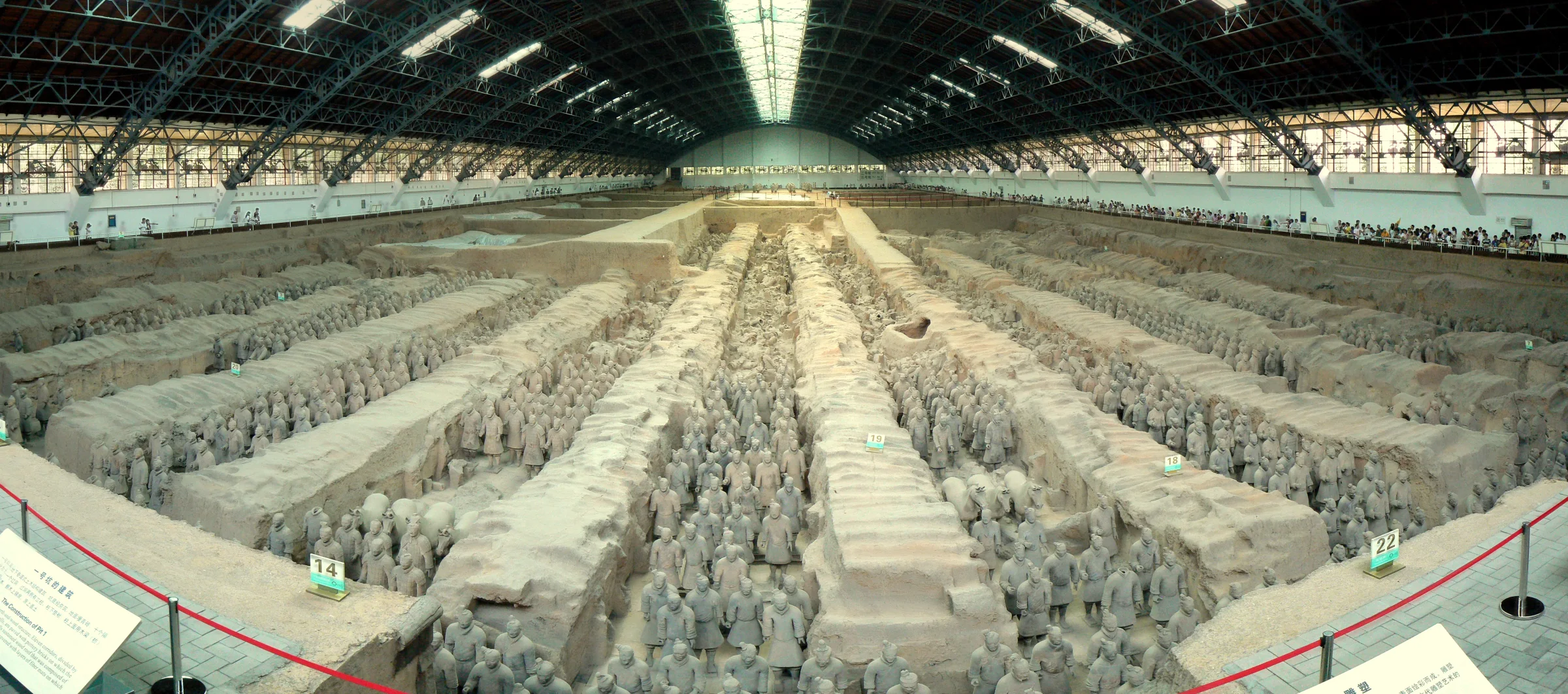
ancient China history · Terracotta Army · street food

food · pandas · slow city life
tech and modern city · Hakka heritage · art and creative districts

Dramatic layered cityscapes · Spicy food and late-night dining · Urban photography

Cantonese food and yum cha · Lingnan architecture · Old-city walking

classical Chinese gardens · canals and water towns · silk and embroidery
These cards reuse the same structured dish records shown inside each city guide.
Beijing's best-known banquet dish: roast duck carved into crisp skin and tender meat, eaten in thin pancakes with sweet bean sauce, scallion and cucumber.

A Beijing staple of wheat noodles topped with a deeply savory fermented-bean and minced-pork sauce, balanced by crisp seasonal vegetable strips.

A made-to-order savory breakfast crepe layered with egg, bean sauce, scallion, herbs and a crisp fried cracker, then folded for eating on the move.

A communal Beijing meal built around paper-thin lamb swished in a clear broth inside a chimney-shaped copper pot, then dipped in a rich sesame sauce.

Shanghai's signature steamed soup dumpling — thin-skinned, pleated, and filled with hot pork broth and minced pork; traditionally associated with the Nanxiang area.
Roughly 20-50 yuan per basket (6-8 pieces); crab-roe versions higher.
Shanghai's beloved pan-fried bun — a crispy browned bottom, soft top, sesame and scallion, and a hot juicy pork filling inside. A classic breakfast and street snack.
Roughly 8-20 yuan per portion (4-6 buns).
Shanghai's indigenous home-style cuisine — characterized by 'nong you chi jiang' (浓油赤酱): heavy oil, red soy sauce, and a sweet-savory balance that uses more sugar than northern or western Chinese cooking.
Casual benbang meal roughly 60-150 yuan per person; upscale restaurants higher.
Wheat noodles dressed with scallion-infused oil and a soy-based seasoning — deceptively simple, with the quality resting entirely on the scallion-oil technique. A cheap, satisfying Shanghai staple.
Roughly 12-25 yuan a bowl.
The quintessential Shanghai home dish: pork belly red-braised in soy sauce, sugar, and Shaoxing wine until meltingly tender with a sweet-savory glaze.
Roughly 40-80 yuan for a shared portion at a casual restaurant.
Xi'an's signature comfort dish: dense hand-broken flatbread simmered in a rich beef or mutton broth with meat, vermicelli and garlic. The bread-breaking ritual makes it as much an experience as a meal.
Roughly 30-50 yuan a bowl

Often called China's oldest 'burger': a crisp baked wheat bun stuffed with slow-braised, finely chopped meat. Cheap, fast and everywhere in Xi'an.
Roughly 8-20 yuan each
Cool, springy noodles made from washed wheat or rice flour, dressed with vinegar, chili oil and sesame — Xi'an's go-to hot-weather dish.
Roughly 8-15 yuan a bowl

Wide, hand-pulled 'belt' noodles finished with sizzling oil-splashed chili — a hearty Shaanxi classic famous for its almost unwritable character.
Roughly 15-30 yuan a bowl
Chengdu/Sichuan-style (川西) hot pot — a communal, simmering málà (numbing-spicy) broth built on vegetable oil (清油) and a dozen-plus compound spices, typically served as a yuānyāng (split spicy/clear) pot; diners cook shared ingredients at the table and dip at a self-serve sauce bar.
A málà-forward Sichuan classic of silky tofu in a glossy red sauce of chili oil and Pixian doubanjiang (郫县豆瓣酱), numbing with Sichuan peppercorn and studded with minced beef — classically described by the seven-character formula má là tàng xiān nèn xiāng sū.
A dry-style Chengdu noodle: wheat noodles in a concentrated sesame-paste-and-chili base brightened by black vinegar and the salty-funky crunch of preserved mustard greens (芽菜), one of the seven canonical Sichuan flavour types.
A Chengdu heritage snack (小吃, founded at 荔枝巷 in 1893): pork-filled wheat dumplings dressed in a distinctive sweet-savory-spicy red-oil sauce with fùzhì sweet soy and garlic — gentle heat, not a fiery mála challenge.
Chengdu wonton (抄手 = Sichuan term for wonton): thin-wrapper, tender pork-filled parcels in a pure pork-foot-and-chicken broth (clear/原汤) or tossed red-oil (红油) with a hint of Hanyuan pepper — milder and more balanced than heavy mála dishes.
Hot pot's street-food cousin: the same málà broth but ingredients are threaded on thin bamboo skewers, cooked in a shared simmering pot; pay-by-skewer (often a few cents each), self-service fridge, bill counted by sticks. Originated in Chengdu in the 1980s.

A communal, intensely aromatic hotpot centered on beef tallow, dried chilies and Sichuan pepper, with diners cooking ingredients at the table.
A compact bowl of wheat noodles whose character comes from a layered seasoning base rather than a heavy topping.
Springy sweet-potato noodles in a sharp, spicy and sour broth, commonly finished with peanuts, greens and preserved vegetables.
A broad Chongqing style of bold, informal dishes known for assertive seasoning, generous portions and restaurant-specific specialties.
Soft tofu served with rice and a powerful dipping sauce, offering a comforting, less elaborate counterpoint to Chongqing's famous hotpot.

Small steamed, baked and fried dishes shared over tea, forming one of Guangzhou's defining social meals.
Silky steamed rice sheets wrapped around fillings or served plain with a light soy-based sauce.
Fine egg noodles in a clear broth with small shrimp-and-pork wontons, valued for springy texture and clean flavor.
Cantonese roast meats displayed in shop windows, including char siu, roast goose and crispy pork.
Poached chicken served at room temperature with glossy skin and clean meat flavor, usually accompanied by ginger-scallion sauce.
A broad family of light Cantonese desserts served warm or chilled, from sesame soup and tofu pudding to mango and sago combinations.
Do not rely on one English label. Vegetarian requests may still need clarification about broth, cooking fats, seafood, or shared preparation. For allergies, show the specific ingredient in Chinese and confirm it directly; no phrase card can guarantee an allergen-free kitchen.