
Practical everyday tips for China: toilets, drinking water, electricity (Type A/C/I, 220V), cash, ATMs, smoking rules, laundry, and tipping culture.
Quick answer
China has modern infrastructure in cities, but some daily things work differently than in Western countries. Key points: carry toilet paper with you, do NOT drink tap water, bring a Type A/C/I plug adapter (China uses Type A, C, and I at 220V), cash is useful as a backup, and tipping is NOT expected. For payment setup, see the Payment & Apps guide; for phones and connectivity, see Phone Setup and Internet & eSIM.
Toilets
- Public toilets are widely available in subway stations, parks, tourist attractions, and shopping malls in cities. They are generally free.
- Many public toilets are squat toilets (not Western-style seats). This is the default in older facilities, bus/train stations, and rural areas.
- TOILET PAPER IS OFTEN NOT PROVIDED in public restrooms. Carry a small pack of tissues or toilet paper with you at all times. This is the single most important daily tip.
- Some high-end malls, international hotels, and newer public restrooms have Western-style toilets.
- Hand sanitizer is not always available – carry travel-sized hand sanitizer.
- Public restrooms at major attractions (Forbidden City, etc.) can be dirty and crowded, especially during peak hours. Use your hotel restroom or a restaurant restroom when you can.
- Major airports and high-speed rail stations generally have decent, relatively clean facilities.
- Some public toilets in China do not have toilet paper in stalls but may have one shared dispenser near the entrance. Grab what you need before entering the stall.
- There is often no soap at public sinks. Hence the hand sanitizer recommendation.
Drinking water
- DO NOT drink tap water anywhere in China. It is not safe for drinking.
- Hot/boiled water is safe to drink. Every hotel room has an electric kettle. Train stations and airports have hot water dispensers (many Chinese people bring a thermos and fill it with hot water).
- Bottled water is cheap and widely available: convenience stores, supermarkets, street vendors, and hotel minibars in cities and tourist areas typically stock it. Expect to pay approximately ¥2-5 per bottle (500ml-1.5L).
- Restaurants serve hot tea or hot water with meals for free. This is normal and expected. Cold water is not always served automatically.
- Ice in drinks is generally safe at Western restaurants, international hotels, and higher-end establishments. Avoid ice at street stalls and very small local restaurants.
- Bring a reusable water bottle and fill it with hot water from hotel kettles or station dispensers. Many Chinese people travel with a thermos of hot water.
- Note: You will see many signs for “direct drinking water” (直饮水) in some newer public areas, but these are not always reliable or well-maintained. Stick to bottled or boiled water.
Electrical outlets
- China uses Type A (two flat pins, same as US/Canada/Japan), Type C (two round pins, same as Europe), and Type I (three flat pins, same as Australia/New Zealand). Many sockets are designed to accept multiple plug types.
- Voltage is 220V, 50Hz. US/Canada devices (110V) need a voltage converter for high-wattage items like hair dryers and curling irons. Phones, laptops, camera chargers, and most modern electronics are dual-voltage (100-240V) and work fine with just a plug adapter – check your device’s power adapter.
- Most mid-range and above hotels have universal sockets in guest rooms, but budget hotels and older properties may not.
- Bring a universal travel adapter. No single adapter type covers all Chinese socket types.
- USB charging ports are increasingly common in newer hotels, on newer high-speed trains, and in some airport seating areas. Do not rely on them – bring your adapter.
- Power outages are rare in cities but can occur in rural areas or older hotels during peak summer demand.
Cash, ATMs and cards
- Mobile payment (Alipay and WeChat Pay) is the dominant payment method in Chinese cities. See the Payment & Apps guide for foreign visitor setup instructions.
- Cash (RMB/CNY, Chinese Yuan) is still useful for: small street stalls, some taxi drivers (though Didi is app-based), rural areas, small temples/attractions, and situations where mobile payment fails.
- ATMs are widespread in cities and larger towns. Bank of China (中国银行) ATMs are generally among the most reliable for foreign cards (Visa, Mastercard, Cirrus, Maestro), though acceptance can vary.
- Inform your bank of your travel dates and countries before departure to avoid having your card blocked for suspected fraud.
- Exchange some cash at the airport on arrival for immediate needs (taxi, water, first meal) – 500-1000 RMB is a reasonable starting amount. Airport exchange rates are not the best but are convenient for initial needs.
- Counterfeit 100 RMB notes exist but are increasingly rare due to mobile payment adoption. Get cash from ATMs or bank branches, not from random money changers on the street.
- Credit cards (Visa/Mastercard) work at international hotels, high-end restaurants, and some department stores, but NOT at most small shops, local restaurants, or street stalls.
- UnionPay (China’s domestic card network) is accepted everywhere, but most foreign cards are not UnionPay unless you have a special card.
- Large notes (100 RMB) are sometimes refused by very small vendors who cannot make change. Keep some smaller notes (10, 20, 50 RMB) handy.
Tipping
- TIPPING IS NOT CUSTOMARY IN CHINA. This is one of the most important cultural differences for Western visitors.
- Do not tip taxi drivers, restaurant servers, hotel bellhops, room cleaners, tour guides, or boat crew.
- Tipping can cause confusion and awkwardness. Staff may refuse tips or chase you to return the money.
- Exception: Some high-end international hotels with foreign staff may be accustomed to tips from foreign guests; some private tour guides who primarily work with foreign tour groups may expect tips, but this applies to pre-booked group tours, not casual encounters.
- If you receive truly exceptional service and want to show appreciation, a small gift from your home country (postcards, small souvenirs) is more appropriate and better received than cash.
Smoking
- Regulation: National and local regulations prohibit smoking in indoor public places including restaurants, malls, public transport, airports, train stations, hospitals, and schools. Beijing, Shanghai, and other major cities have implemented stricter enforcement with fines.
- Practice: Enforcement varies significantly by city and venue. In Beijing, Shanghai, and tier-1 cities, indoor smoking bans are generally observed in restaurants and malls. In smaller cities and rural areas, enforcement may be lax and some customers may still smoke indoors.
- Smoking on high-speed trains is strictly prohibited and enforced with heavy fines and potential travel bans. Even e-cigarettes trigger smoke alarms on trains.
- Outdoor smoking is generally allowed. Smokers are commonly seen on sidewalks, outside buildings, and in outdoor dining areas.
- Many hotels have designated non-smoking rooms; smoking in non-smoking rooms may incur cleaning fines.
- E-cigarettes and vaping are subject to restrictions. Sale of flavored e-cigarettes is restricted in China.
Laundry
- Most mid-range and above hotels offer laundry service (usually 1-2 day turnaround). Cost varies by hotel but can be expensive (20-50 RMB per item).
- Self-service laundromats are uncommon in Chinese cities compared to Japan, Korea, the US, or Europe. You will generally not find coin laundromats in most neighborhoods.
- Budget option: Hand-wash small items (underwear, socks) in your hotel sink. Bring travel-sized laundry detergent or buy it locally (look for 洗衣液 or 洗衣粉 at convenience stores).
- Dry cleaning is available in most cities – look for signs reading 干洗 (ganxi).
- Many hotels have retractable clotheslines in the bathroom or provide drying racks. Hang clothes to dry; rooms can be dry in winter (north, with heating) or humid in summer (south).
- For long-term stays (multiple weeks), laundry delivery apps exist but require a Chinese phone number and address/navigation ability in Chinese. Your hotel may also be able to arrange external laundry service.
- Quick-dry, moisture-wicking clothing is recommended, especially for summer travel or multi-city trips where laundry opportunities are limited.
ATMs: more detail
- Bank of China (中国银行), ICBC (工商银行), China Construction Bank (建设银行), and HSBC are the most foreigner-friendly banks.
- Daily withdrawal limits vary by bank and your card’s home bank limits (typically 2,000-10,000 RMB per day at Chinese ATMs).
- ATMs have an English language option – look for the “English” button on the screen before inserting your card.
- Some ATMs do not accept foreign cards. If one does not work, try a different bank. Bank of China is usually the safest bet.
- Cirrus, Maestro, Plus, Visa, and Mastercard networks work at major bank ATMs. American Express acceptance is very limited.
- ATM fees: Your home bank will likely charge a foreign withdrawal fee; the Chinese bank may also charge a small fee (typically 10-30 RMB).
- For longer trips, consider getting a bank card with no foreign transaction fees before you travel.
Language and communication
For a screenshot-ready set of restaurant, allergy, taxi, hotel and payment phrases, save the Practical Mandarin phrases page before departure.
- Download a translation app with an OFFLINE Chinese package before arrival. Google Translate, Baidu Translate, and Apple Translate all work. Google Translate requires VPN in China for live features; Apple Translate and Baidu Translate work without VPN.
- Download a Chinese input method if you want to type Chinese characters. Apple’s built-in Chinese keyboard (Pinyin) works well.
- Most young people (under 35) in major cities speak at least some basic English, especially in tourist areas, international hotels, and trendy neighborhoods.
- Older people, taxi drivers, and small shop owners often speak NO English at all.
- Pointing, showing pictures on your phone, and using translation apps works surprisingly well for basic transactions.
- Save your hotel address in Chinese characters on your phone (take a screenshot of the hotel’s business card or save the address in your notes) to show taxi drivers.
- Learn three essential Chinese phrases:
- 你好 (ni hao): Hello
- 谢谢 (xiexie): Thank you
- 不要 (buyao): No / don’t want (useful for pushing away persistent vendors and scammers)
- Hand gestures: A thumbs-up generally means “good.” Pointing with an open hand is more polite than with a finger. Tapping the table with two fingers while someone pours you tea is a polite way to say thank you in southern China.
Pharmacies and medicine
- Pharmacies (药店, yaodian) are everywhere – look for a green cross sign. They are often open late (many until 22:00 or later).
- Basic over-the-counter medicines are available without prescription: painkillers (ibuprofen/paracetamol), cold medicine, stomach medicine, band-aids, antiseptic, cough syrup, and topical creams.
- Chinese pharmacies sell both Western and traditional Chinese medicines. If you want Western medicine, specify or look for familiar brand names.
- For prescription medications, bring enough for your entire trip plus extra, and carry a copy of the prescription (generic names, not just brand names). Some prescription medications that are legal in your home country may be controlled in China – check before travel if you take any restricted substances.
- Some Western medicines are available in major cities at Watsons (health/beauty chain), international pharmacies, or hospital international clinics.
- Pharmacists generally do not speak English. Use a translation app to describe symptoms or show a picture of the medicine you need.
- Travel insurance with medical coverage is strongly recommended. Medical care at public hospitals is affordable but can involve long waits and language barriers; international clinics/private hospitals in major cities have English-speaking staff but are expensive without insurance.
- For serious medical issues in major cities, consider international clinics or VIP departments (特需门诊) of public hospitals, which have shorter waits and often English-speaking staff.
Shopping basics
- Bargaining is expected at street markets, tourist souvenir shops, and small independent vendors (not at malls, supermarkets, convenience stores, or restaurants with printed menus).
- Start at 30-50% of the asking price and negotiate up from there. Be friendly and willing to walk away – that is often when you get the best price.
- Walking away is the most effective bargaining tactic. If the vendor calls you back, they are willing to sell near your price.
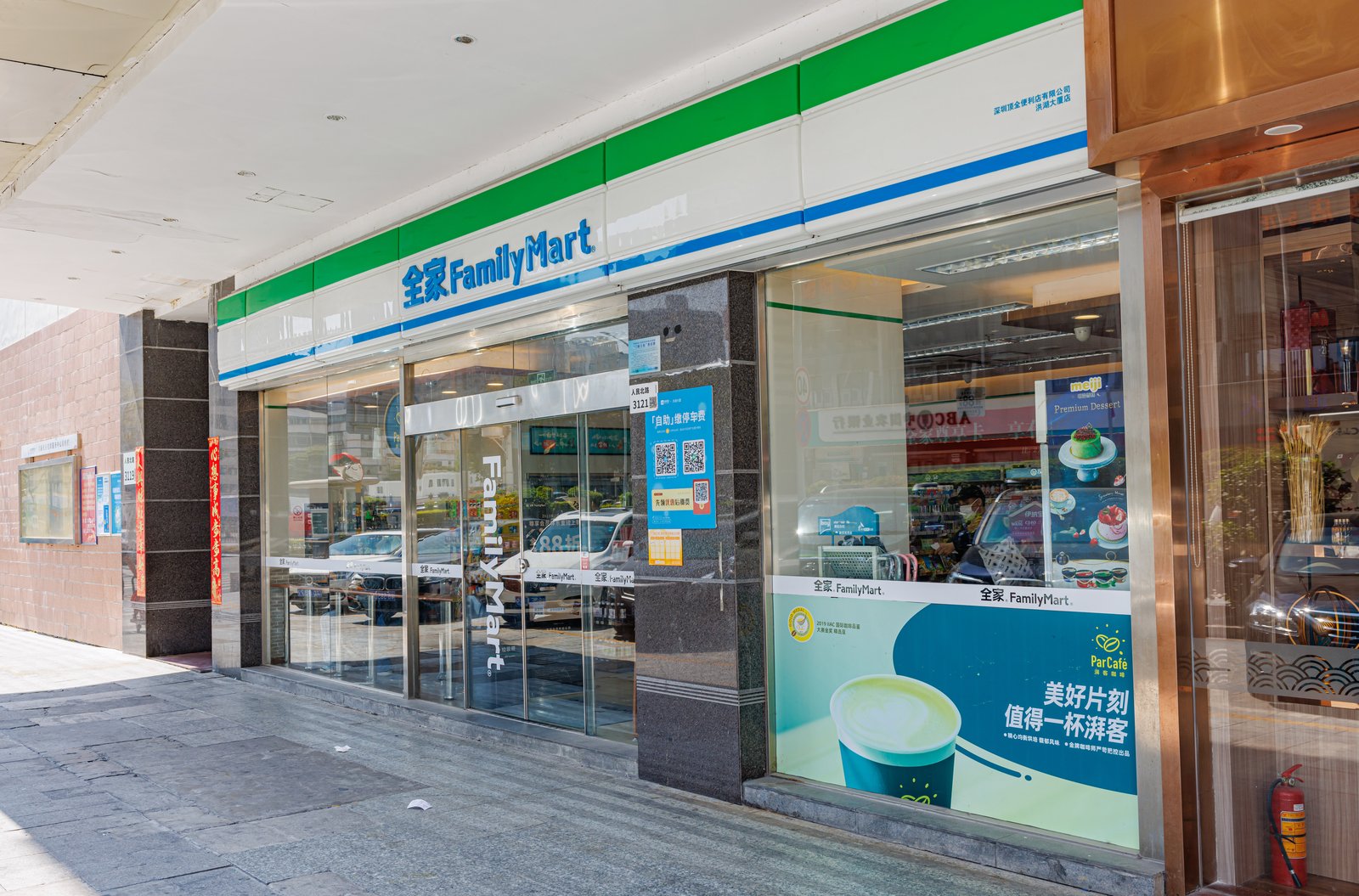
- Prices are FIXED at: supermarkets, convenience stores (7-Eleven, FamilyMart, Lawson), malls, department stores, restaurants with printed menus, official attraction ticket offices, and chain stores. Do NOT bargain at these places.
- Do NOT bargain at restaurants or in any shop with clearly marked prices.
- Keep receipts for expensive items – they are needed for VAT tax refund if departing from participating airports (see Tax Refund guide for minimum purchase requirements).
- Cash is still preferred at many small market stalls, though mobile payment is increasingly accepted everywhere.
- Popular souvenirs: tea (buy from reputable tea shops, not tourist traps), silk (Suzhou/Hangzhou), pearl jewelry, calligraphy supplies, ethnic minority crafts (Yunnan/Guizhou), and Chinese snacks. Be cautious about “antique” items – most are reproductions and real antiques may be subject to export restrictions.
Next steps
Sources
Practical daily-life information in this guide is editorial synthesis based on widely reported traveler experiences, national regulations on smoking in public places, and standard electrical specifications. Regulations around smoking, e-cigarettes, and other daily matters can change; local enforcement varies considerably across China’s diverse regions.